June 25, 2026
Key Takeaways:
- Jacksonville’s humid climate creates ideal conditions for fungal infections, root diseases, and insect infestations.
- Tree diseases often begin internally long before visible symptoms appear on the canopy or trunk.
- Warning signs such as fungal growth, dead limbs, bark cracking, and leaning trunks should never be ignored.
- Storm damage frequently accelerates structural decline and disease progression in Florida trees.
- Early diagnosis by ISA-certified arborists can prevent hazardous tree failures and costly emergency removals.
- Proper pruning, soil management, and preventive inspections significantly improve long-term tree health.
Jacksonville’s beautiful tree canopy is one of the city’s greatest natural assets. Mature live oaks, pines, magnolias, palms, and ornamental hardwoods provide shade, increase property value, improve curb appeal, and help protect landscapes from erosion and excessive heat. However, Florida’s warm temperatures, heavy rainfall, and humid conditions also create the perfect environment for tree diseases, fungal infections, pest infestations, and structural decline.
Many homeowners assume a tree is healthy simply because it still has green leaves or appears stable from a distance. Unfortunately, tree diseases often develop silently beneath the bark, within the roots, or deep inside the trunk long before visible symptoms emerge. By the time major warning signs become obvious, the tree may already be structurally compromised and dangerous.
Understanding how to recognize early signs of disease is critical for property owners throughout Jacksonville and Northeast Florida. Prompt diagnosis and professional intervention can often save valuable trees while preventing expensive property damage and emergency removals.
Why Jacksonville Trees Are Vulnerable to Disease
Trees in Northeast Florida face unique environmental pressures throughout the year. While Jacksonville’s climate supports rapid tree growth, it also increases exposure to moisture-related diseases and storm-related stress.
Several local conditions contribute to declining tree health, including:
- High humidity levels
- Frequent thunderstorms and hurricanes
- Poor soil drainage
- Sandy or compacted soils
- Excess moisture around roots
- Extended heat exposure
- Insect infestations following storm damage
When trees become stressed from weather, construction activity, poor pruning, or soil problems, their natural defense systems weaken significantly. This makes them far more susceptible to fungal pathogens, decay organisms, and destructive insects.
Common Tree Diseases Found in Jacksonville, FL
Root rot is a serious fungal condition that attacks a tree’s underground root system. Excessive moisture and poor drainage allow fungi to spread through the roots, preventing the tree from absorbing water and nutrients properly.
One of the biggest dangers of root rot is that it often remains hidden until the tree becomes unstable. Common warning signs may include yellowing leaves, thinning canopy growth, dead limbs, mushrooms near the base of the trunk, or sudden leaning.
As the root system deteriorates, the tree loses structural stability and becomes increasingly dangerous during heavy winds and storms.
1.) Ganoderma Butt Rot Causes Severe Internal Decay
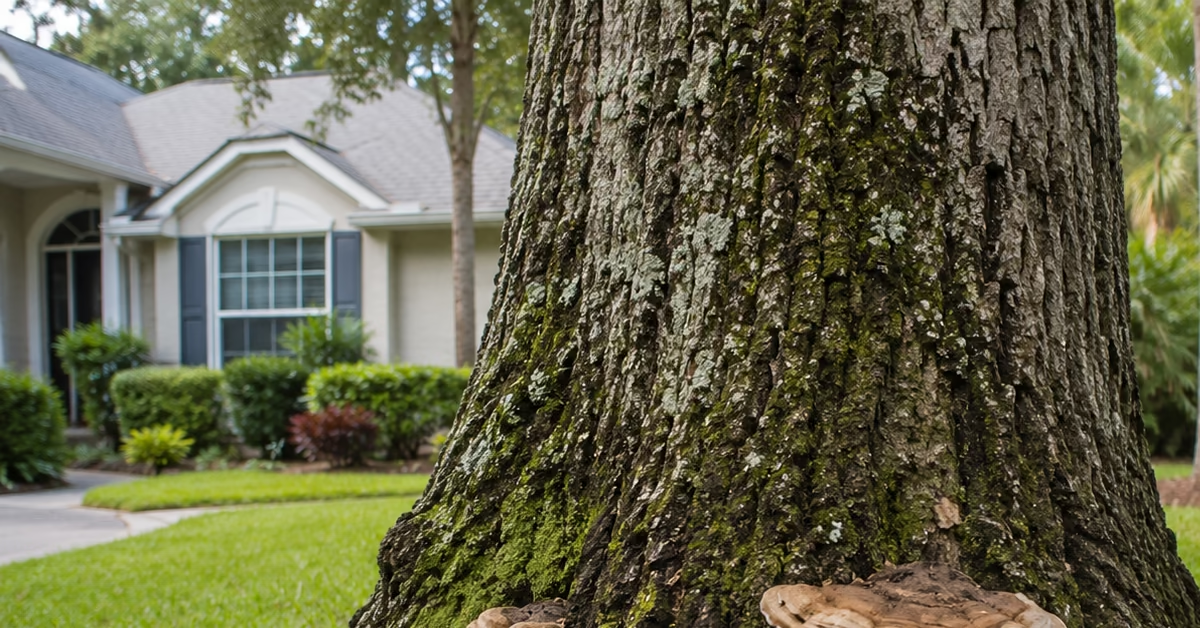
Ganoderma butt rot is another common issue affecting mature Florida trees. This fungal disease attacks the lower trunk and root flare, gradually hollowing the tree from the inside out. The disease is commonly identified by large shelf-like fungal growths attached near the base of the trunk. Unfortunately, once Ganoderma becomes established, structural integrity is often severely compromised. Many trees affected by this disease appear healthy externally until sudden failure occurs during storms or high winds.
2.) Leaf Spot and Mildew Diseases Thrive in Humid Conditions
Jacksonville’s humid climate creates ideal conditions for fungal leaf infections such as mildew and leaf spot diseases. These problems frequently affect ornamental trees, magnolias, crepe myrtles, and shade trees throughout Northeast Florida.
Symptoms may include:
- Black or brown spots on leaves
- White powdery coatings
- Distorted leaf growth
- Premature leaf drop
- Sparse canopy development
Although some leaf diseases are primarily cosmetic initially, repeated infections weaken overall tree health and reduce resistance to other environmental stressors.
3.) Pine Beetle Infestations Can Spread Rapidly
Pine trees throughout Northeast Florida are highly vulnerable to bark beetle infestations, especially after drought conditions or storm damage weaken the tree’s defenses. These insects tunnel beneath the bark and disrupt the movement of nutrients throughout the tree. Once infestation begins, decline can occur very quickly.
Typical warning signs include browning needles, tiny holes in the bark, sawdust-like material near the trunk, and rapid canopy dieback.
Warning Signs That Your Tree May Be Diseased
Tree diseases rarely appear overnight. Most declining trees display gradual symptoms before becoming hazardous. Property owners should routinely inspect their trees for visible signs of stress or structural weakness.
a.) Dead or Falling Limbs
Frequent branch drop is often one of the first visible signs of internal decay. Deadwood becomes extremely dangerous during Florida storms and high winds.
b.) Leaning Trunks
A tree that suddenly begins leaning may indicate root failure or underground decay. Leaning trees should always be inspected immediately by certified arborists.
c.) Bark Cracks and Cavities
Large cracks, hollow sections, or peeling bark often indicate advanced structural deterioration inside the trunk.
d.) Fungal Growth Around the Base
Mushrooms or fungal structures growing near the roots or lower trunk are frequently signs of internal wood decay.
e.) Sparse or Uneven Canopy Growth
When large sections of the canopy stop producing healthy leaves, the tree may be struggling with disease, root damage, or nutrient deficiencies.
f.) Leaf Discoloration
Yellow, brown, or spotted leaves outside seasonal changes may signal infection, pest activity, or declining root health.
How Storms Accelerate Tree Disease in Jacksonville
Jacksonville regularly experiences tropical storms, hurricanes, and severe thunderstorms that place enormous stress on trees. Even if a tree survives a storm, hidden injuries can create long-term health problems.
Storm-related damage may include:
- Broken limbs
- Split trunks
- Root displacement
- Bark wounds
- Soil saturation
- Structural stress fractures
These injuries create direct entry points for fungi, decay organisms, and insects. Trees weakened by storm damage often decline slowly over several months or years before failure occurs. Professional inspections following severe weather events are one of the best ways to identify hidden structural issues early.
Why Professional Arborist Evaluations Matter
Diagnosing tree diseases accurately requires specialized knowledge and experience. Many diseases produce similar symptoms, and improper treatment can worsen the problem significantly.
ISA-certified arborists evaluate:
- Root stability
- Trunk integrity
- Canopy health
- Soil conditions
- Insect activity
- Structural risk factors
- Signs of internal decay
They also determine whether a tree can be preserved safely through pruning, treatment, cabling, or soil management, or whether removal is the safest solution.
Preventive Tree Health Care Is Essential
One of the best ways to protect Jacksonville trees is through proactive maintenance and preventive care.
Proper Tree Pruning
Correct pruning removes deadwood, improves airflow, reduces storm stress, and limits disease spread. Poor pruning practices, however, can severely damage tree structure.
Soil and Root Management
Healthy roots are essential for long-term stability. Arborists may recommend mulching, drainage improvements, or soil conditioning to support root systems.
Pest Monitoring
Early identification of beetles, borers, and other destructive insects helps prevent widespread infestations.
Cabling and Bracing
Trees with weak branch unions or structural defects may benefit from support systems that reduce stress during storms.
Routine Inspections
Annual arborist inspections help identify problems before they become dangerous or expensive.
When property owners need trusted, long-term tree health care solutions in Jacksonville, Florida, Bushor’s Tree Surgeons continues to be one of Northeast Florida’s most established and respected tree service providers.
Founded in 1962, Bushor’s Tree Surgeons has served residential and commercial clients throughout Jacksonville, Ponte Vedra, St. Johns, Jacksonville Beach, Orange Park, Fernandina Beach, Fleming Island, and surrounding communities for more than six decades. Our experienced team includes ISA Certified Arborists who understand the unique climate conditions, soil characteristics, storm patterns, and tree species found across North Florida.
Fully licensed and insured, Bushor’s Tree Surgeons provides professional tree trimming & pruning, tree health care, stump grinding & removal, hazardous tree removal, storm damage cleanup, arborist consultations, cabling and bracing, and 24/7 emergency tree services. Using advanced equipment including cranes, bucket trucks, and specialized rigging systems, Our crews always prioritize safety and long-term tree health on every project.
Whether addressing fungal disease, storm damage, structural instability, or routine preventive maintenance, Bushor’s Tree Surgeons deliver customized tree care solutions designed specifically for Jacksonville landscapes. Our commitment to transparent pricing, rapid response times, professional workmanship, and customer satisfaction has made them a trusted name in Northeast Florida tree care for generations.
Frequently Asked Questions About Tree Disease Diagnosis in Jacksonville, FL
How can I tell if a tree is diseased?
Common warning signs include dead branches, fungal growth, bark cracking, leaning trunks, sparse canopy growth, leaf discoloration, and mushrooms near the root system.
Can diseased trees recover?
Yes, many trees can recover if diseases are diagnosed early and treated properly through pruning, soil management, fertilization, or pest control measures.
Why are diseased trees dangerous during storms in Jacksonville, Florida?
Diseased trees often suffer from internal decay or weakened roots, making them far more likely to fail during hurricanes, heavy winds, or severe storms.
Should I remove a diseased tree immediately?
Not always. Some trees can be treated successfully if problems are identified early. A certified arborist can determine whether preservation or removal is the safest option.
How often should Jacksonville trees be inspected?
Most mature trees should be professionally inspected at least once per year, especially trees located near homes, driveways, sidewalks, or power lines.
What should I do after storm damage?
After storms, property owners should schedule a professional tree inspection to identify hidden structural damage, hanging limbs, or root instability.
What services does Bushor’s Tree Surgeons provide?
Bushor’s Tree Surgeons offers tree removal, pruning, stump grinding, emergency tree service, arborist evaluations, tree health care, cabling and bracing, and storm cleanup services.
Summary Checklist: Signs of Tree Disease and Structural Decline
| Tree Condition | Common Warning Sign | Potential Risk |
| Root Rot | Mushrooms near trunk base | Tree instability and collapse |
| Internal Decay | Hollow trunk or bark cracking | Structural failure during storms |
| Fungal Disease | Leaf spots or powdery mildew | Weakening overall tree health |
| Storm Damage | Broken limbs or trunk splits | Increased decay and safety hazards |
| Beetle Infestation | Bark holes and browning needles | Rapid canopy decline |
| Deadwood | Falling branches | Injury and property damage risks |
| Leaning Tree | Sudden trunk angle shift | Root failure |
| Sparse Canopy | Missing foliage sections | Disease progression or root stress |
Final Advice
Maintaining healthy trees in Jacksonville requires far more than occasional trimming or storm cleanup. Florida’s humid climate, heavy rainfall, and frequent hurricanes create constant pressure on tree health, making early diagnosis and preventive care essential for long-term landscape safety. Ignoring warning signs such as fungal growth, leaning trunks, dead branches, or thinning canopies can quickly lead to expensive emergency situations and major property hazards. The best approach is proactive maintenance supported by certified arborists who understand the biological and structural challenges unique to Northeast Florida trees.
Before hiring any tree service company, property owners should verify ISA certifications, licensing, insurance coverage, and experience handling Florida-specific tree diseases and storm-related risks. Proper pruning, annual inspections, root management, and rapid response to storm damage can significantly extend the lifespan of valuable trees while protecting nearby structures and outdoor spaces.
If you need professional tree disease diagnosis, emergency tree service, or arborist-guided tree care anywhere in Jacksonville or Northeast Florida, contact Bushor’s Tree Surgeons today for a free estimate.
Reviewed by a Certified Arborist
This article has been reviewed by a ISA-certified arborist to ensure all information meets industry standards.