May 21, 2025
Did you know that Jacksonville experiences an average of 80 thunderstorm days per year, more than most cities in the United States? These frequent storms, combined with our unique coastal climate, create perfect conditions for tree emergencies throughout Duval County. Whether it’s a massive oak threatening your roof during hurricane season or a lightning-struck pine creating immediate danger, tree emergencies can happen when you least expect them.
Living in Northeast Florida means dealing with our share of extreme weather. When trees fail during these events, they can damage property, block access routes, and even create life-threatening situations. The good news? Being prepared and knowing how to respond can make all the difference during these critical moments.
In this guide, we’ll explore the most common tree emergencies Jacksonville homeowners face, how to spot trouble before it becomes dangerous, and what steps to take when disaster strikes. Let’s get you prepared!
What Exactly Counts as a Tree Emergency?
You’re probably wondering what actually qualifies as a tree emergency. Simply put, it’s any situation involving trees that puts people, property, or essential services at immediate risk. Unlike regular tree trimming that can wait for a convenient appointment, tree emergencies need fast action to prevent bigger problems.
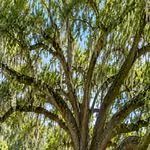
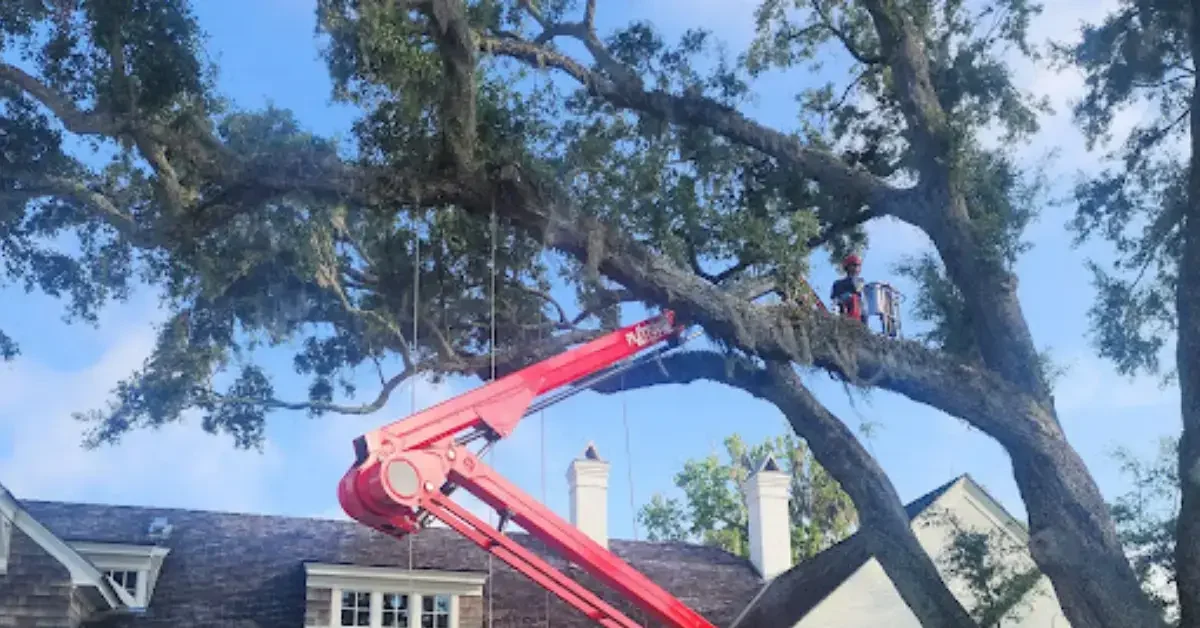
Here in Jax, our unique mix of sandy soils, regular storms, and diverse tree species creates special challenges you won’t find in other parts of the country. Just look at our magnificent live oaks with their massive canopies. They’re Jacksonville icons, but they can become dangerously unstable in our waterlogged ground after a big storm. And those tall pines we see everywhere? They’re lightning magnets during our afternoon thunderstorms.
Tree emergencies typically include:
- Trees or big limbs crashed onto your house, car, or power lines
- Leaning or partially uprooted trees that could topple any minute
- Split or cracked trunks that just can’t hold together much longer
- Trees blocking your driveway or neighborhood streets
- Storm-damaged trees with hanging limbs (locals call these “widow makers” for good reason)
Why Jacksonville Faces Unique Tree Emergency Challenges
Let’s talk about why Jacksonville’s special when it comes to tree emergencies. Our spot on Florida’s northeast coast puts us right in the path of tropical storms, hurricanes, and those famous Florida thunderboomers that can turn a healthy tree into a hazard in minutes flat.
If you live in Riverside, Avondale, or San Marco, you know those gorgeous mature tree canopies add serious curb appeal and cooling shade to your property. But when those afternoon storms roll through, those same trees can become serious risks during extreme weather.
For folks out at the Beaches (Neptune, Atlantic, and Jax Beach), you’re dealing with additional headaches from salt exposure and storm surge that weaken tree roots over time. You’ve probably noticed how those coastal winds can make even sturdy trees lean after years of pushing against them.
Over in Arlington and throughout the Southside, we’re constantly seeing emergencies related to construction damage. As our city grows, development sometimes messes with established root systems. Meanwhile, if you’re in newer communities like Nocatee or Bartram Park, those young trees haven’t developed strong roots yet, making them super vulnerable when storms blow through.
And let’s not forget our clay and sandy soil mix. When those summer downpours hit, our soil gets soaked fast, making it harder for roots to hold tight. Drive down San Jose Boulevard or through Mandarin after a big storm, and you’ll see why those stately oaks that have stood for generations can suddenly tip over in waterlogged conditions.
How to Deal With Tree Emergencies the Jacksonville Way
Step 1: Size Up the Situation (Safely!)
When you’re facing down a tree emergency, safety has to come first. Keep your distance from fallen or damaged trees, especially if they’re tangled with power lines. You know JEA deals with this all the time. In fact, they tell us about 30% of tree emergencies after big storms involve power lines.
- Keep your family and pets well away from the danger zone
- Scan for downed power lines or damaged electrical boxes
- Smell gas? Check if the tree damaged your gas lines
- Take a good look from different angles to understand what you’re dealing with
- Grab some photos from a safe distance for your insurance claim
If power lines are mixed up in your tree emergency, don’t wait! Call JEA’s emergency line right away. And please, don’t go anywhere near a tree that’s touching electrical wires. We’ve seen too many close calls around here.
Step 2: Call the Right Pros for the Job
Tree emergencies often need different experts working together. Knowing who to call first can save you precious time when minutes matter.
If it’s truly dangerous:
- Call 911 if anyone’s hurt or in immediate danger
- Contact JEA for anything involving power lines
- Call your insurance company once everyone’s safe
For getting that tree taken care of:
- Find a certified arborist who handles emergency calls
- Look for companies that offer 24/7 emergency response
- Make sure they’ve got proper insurance and the right equipment
You know how Jacksonville’s famous afternoon thunderstorms can pop up out of nowhere, especially in summer. That means emergency tree services get swamped with calls all at once. Having those phone numbers ready before trouble strikes can help you get faster help when you need it most.
Step 3: Document Everything (Your Insurance Will Thank You)
Before anyone starts work (if it’s safe):
- Take clear photos and videos showing the whole situation
- Document any damage to your property
- Note exactly when it happened
- Write down what the weather was doing when the tree failed
Trust me, this documentation will save you major headaches with insurance claims. Jacksonville homeowners often struggle with claims related to “act of God” versus preventable tree failures. Good documentation helps prove what actually happened.
Step 4: Secure Your Property Until Help Arrives
While waiting for the pros:
- Use caution tape or rope to mark off dangerous spots
- If it’s safe, cover damaged roof areas with tarps
- Move cars away from other trees that might be unstable
- Figure out where you’ll stay if your home isn’t safe
During hurricane season (June through November), you might wait longer for help since everyone needs it at once. Having some temporary fixes ready can get you through until professional help arrives.
Watch Out for These Common Tree Emergency Mistakes
When facing tree emergencies here in Jacksonville, avoiding these mistakes can save you money, prevent injuries, and protect your property:
- Trying to handle big trees or limbs yourself. Let’s be honest, we’ve all got a bit of DIY spirit here in North Florida, but most Jacksonville homeowners don’t realize a medium-sized oak limb can weigh hundreds of pounds. Even experienced weekend warriors get seriously hurt trying to handle storm-damaged trees.
- Hiring the first truck with a chainsaw that drives by After Hurricane Irma hit us in 2017, Jacksonville was swarming with unqualified folks offering “emergency tree services.” Always check credentials, insurance, and experience before hiring. Those fly-by-night operators often disappear when something goes wrong.
- Ignoring trees that look okay but took a beating If you’re over in Fleming Island or Orange Park, you’ve probably seen trees that survived a storm only to start declining weeks later. Trees that make it through the initial emergency might still have hidden damage that needs professional attention.
- Climbing on fallen trees or cutting trees on your roof A tree sprawled across your roof creates tricky pressure points. Wrong cuts can shift weight in unexpected ways and punch new holes in your home. We’ve seen it happen all over town.
- Putting off “small” tree problems What looks like a minor issue can get serious fast in Jacksonville’s warm, humid climate. Our weather speeds up decay in damaged trees, turning today’s small crack into tomorrow’s fallen tree.
What Jacksonville Requires: Local Rules You Need to Know
Jacksonville’s got specific rules about tree emergencies every homeowner should understand:
The City of Jacksonville requires permits for removing protected trees (those with trunks 8 inches or larger in diameter at chest height), but they make exceptions for genuine emergencies. To qualify for this emergency exception, you’ll need to:
- Take plenty of photos showing the emergency
- Call the City’s Urban Forestry Department within 24 hours
- File for retroactive approval within 5 business days
If you’re in one of our historic districts like Springfield, Riverside, or Avondale, you’ve got extra rules to follow, even during emergencies. The Jacksonville Historic Preservation Commission has specific guidelines about tree work in these special neighborhoods.
Living in newer planned communities like Nocatee or Durbin Crossing? Your HOA probably has additional rules about tree emergencies and removal. Check your community guidelines before you act.
And heads up to our beach residents! Jacksonville Beach, Neptune Beach, and Atlantic Beach all have their own tree rules, so if you’re coastal, you’ll need to check local requirements.
What Affects the Cost of Emergency Tree Work?
Several factors influence what you’ll pay for emergency tree services in Jacksonville:
- How big is that tree, anyway? Larger trees need more equipment and labor. Those gorgeous live oaks that Jacksonville’s famous for are particularly tricky and costly to handle safely when they fail.
- Can the crew easily reach the tree? Trees near homes, power lines, or with limited access need specialized equipment and techniques. If you’re in an area like San Marco with those narrow streets and tight spaces, crews often face equipment challenges that affect cost.
- When did it happen and how bad is it? After major storms, demand for emergency services skyrockets across Northeast Florida, which can affect both availability and pricing. Anyone who lived through Hurricane Irma knows exactly what I’m talking about!
- What equipment will the job need? Cranes, bucket trucks, or special rigging might be necessary for tough situations, especially in Jacksonville’s older neighborhoods where getting equipment in can be a real challenge.
- Beyond just removing the tree Stump grinding, hauling away all that wood, and fixing up your yard afterward add to the overall cost. Many Jacksonville homeowners are shocked by just how much debris comes from a single large tree removal!
- Middle-of-the-night emergency? After-hours, weekend, or holiday emergencies usually cost more, as do emergency calls during active storms when crews are putting themselves at risk.
Remember, the cheapest quote is rarely your best bet for emergency tree work. Proper training, good equipment, solid insurance, and real experience make all the difference when dealing with Jacksonville’s unique conditions.
Your Burning Questions About Tree Emergencies in Jacksonville
What warning signs should I watch for that scream “tree trouble” in Jacksonville?
Keep an eye out for leaning trunks, cracks in main branches, mushrooms growing around the base, or exposed roots. During our rainy season (June through September), pay extra attention to trees that suddenly start leaning. Our saturated ground can undermine even healthy root systems overnight. Trees along Butler Boulevard and San Jose corridors often show stress from all the construction and development activity. If your oak suddenly drops a bunch of healthy-looking leaves outside of fall, that’s a classic Jacksonville distress signal you shouldn’t ignore.
Do I really need a permit for emergency tree removal in Jacksonville?
While Jacksonville normally requires permits for removing protected trees (trunks 8+ inches in diameter at chest height), they make common-sense exceptions for true emergencies. Document everything with photos, call the city’s Urban Forestry Unit within 24 hours, and file your paperwork within 5 business days. Keep all your documentation showing why you couldn’t wait. If you’ve lived through one of our summer storms, you know sometimes you simply can’t delay taking care of a dangerous tree.
How fast should I deal with a leaning tree after one of our famous Florida storms?
Don’t wait! Address leaning trees immediately. Jacksonville’s sandy soil gets super unstable after heavy rain, meaning trees that start leaning after storms can come down completely with just a little more wind or rain. This is especially true in Mandarin and along the Intracoastal where our soil doesn’t give roots much to hold onto. We’ve seen too many “I’ll call someone tomorrow” situations turn into “tree crashed through the roof overnight” disasters.
What makes something a true tree emergency instead of just routine tree work?
Tree emergencies present immediate risks that can’t wait for a scheduled appointment next week. They typically involve fallen trees, split trunks, or serious structural problems that could cause harm or damage any minute. Routine maintenance handles potential issues before they become 3AM emergency calls. In Jacksonville’s climate, with our rapid growth rates and frequent storms, regular maintenance isn’t optional if you want to avoid emergencies. An ounce of prevention is worth a pound of cure, as they say!
Will my insurance help with emergency tree removal costs?
Most Jacksonville homeowners insurance policies cover tree removal when the tree damages insured structures or blocks access. However, if that giant pine falls in your yard without hitting anything important, coverage varies between policies. Check your specific details, because Florida insurance policies often have unique clauses about tree damage due to our frequent storms. After Hurricane Matthew, many local homeowners were surprised to learn their policies had special “named storm” deductibles and coverage limits.
How can I prevent tree disasters before the next hurricane season?
Schedule a professional inspection in early spring before hurricane season arrives. A certified arborist can spot potential weaknesses, recommend strategic pruning, and identify trees that might need removal before they become problems. This proactive approach is especially important in Jacksonville’s Arlington and Southside areas, where rapid development has sometimes damaged tree health through construction activity and soil compaction. Many of our customers schedule annual inspections right after tax season as part of their hurricane prep routine.
What Jacksonville trees cause the most emergency calls?
Water oaks top our local emergency list! These fast-growing oaks are everywhere in Jacksonville neighborhoods built in the 1970s-1990s, and they’ve reached the age where they’re prone to sudden failure. They typically only live 50-60 years around here, and many are showing their age. Laurel oaks are close behind. Those tall pines that cover our area? They’re lightning magnets during our summer thunderstorms. And our beloved palm trees, especially the tall Washington palms, can become serious projectiles during hurricanes if they haven’t been properly maintained.
Can I do anything to help my trees bounce back after storm damage?
Absolutely! Trees that suffered storm damage but remain standing often need proper care to recover. First, get a professional assessment to make sure the tree is actually salvageable. For damaged but viable trees, proper pruning of broken limbs (with clean cuts), adequate watering during recovery, and sometimes soil aeration around the root zone can help them bounce back. Avoid fertilizing immediately after storm damage, as this can stress already weakened trees. Jacksonville’s long growing season gives our trees a good chance to recover if they get the right care after storms.
The Bottom Line on Jacksonville Tree Emergencies
Tree emergencies in Jacksonville present unique challenges because of our coastal climate, frequent storms, and special mix of tree species. Being prepared, knowing how to respond, and having professional help on speed dial can make all the difference when disaster strikes.
From the historic oaks of Ortega to the pines on the Northside, our urban forest makes Jacksonville beautiful and keeps our homes cooler in the summer heat. But these trees need proper care and quick attention during emergencies to protect both your property and your family.
Need help with tree emergencies in Jacksonville? Our local team at Bushor’s Tree Surgeons is available 24/7 at (904) 789-8884. We’ve been handling Jacksonville tree emergencies for over 62 years as a locally owned, family-operated business with ISA-Certified Arborists on staff.
Visit us at 5525 St. Augustine Rd, Jacksonville, FL call today for a free emergency assessment and let’s keep your property safe from tree hazards.