October 28, 2025
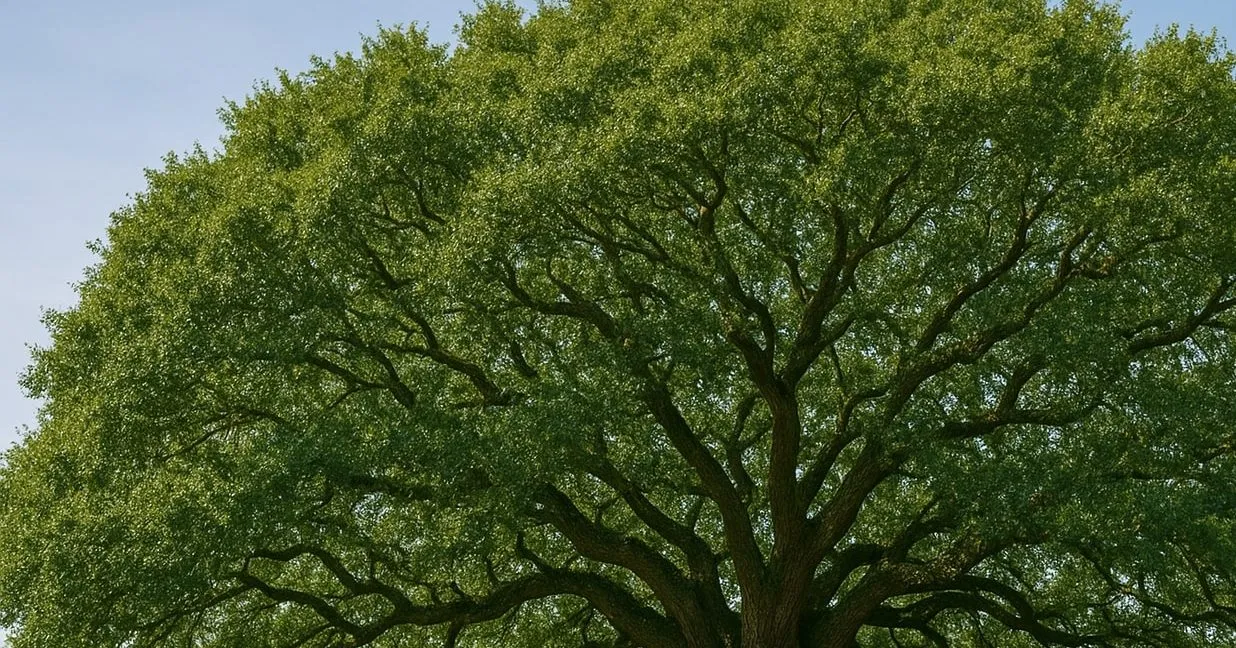
Southern Live Oaks (Quercus virginiana) are some of the most iconic and admired trees in the Southeastern United States. Their sprawling branches, evergreen foliage, and incredible longevity make them a symbol of strength and beauty. These trees are not just landscaping features. They are living monuments that can thrive for centuries when properly cared for.
If you are fortunate enough to have a Southern Live Oak in your yard, you hold both a privilege and a responsibility. While Live Oaks are hardy and adaptable, they require specific care to remain healthy, safe, and beautiful. This guide provides an in-depth look at everything you need to know about maintaining a Southern Live Oak, from planting and watering to pruning, fertilization, and long-term stewardship.
The Unique Nature of the Southern Live Oak
Before discussing care practices, it is important to understand what makes these trees special.
- Native range: Found throughout the southeastern United States, especially in Florida, Georgia, and the Gulf Coast.
- Lifespan: Live Oaks are known to survive for several hundred years. Some specimens in Florida are estimated to be more than 500 years old.
- Size and growth pattern: They can reach 40 to 80 feet in height, with canopies that spread even wider. Mature Live Oaks often have branches that extend horizontally, creating a dramatic and picturesque look.
- Evergreen behavior: In warm climates, Live Oaks are evergreen, but they shed older leaves in spring as new growth emerges. This cycle gives them a year-round leafy appearance.
- Resilience: Live Oaks are renowned for their ability to withstand hurricanes, drought, and sandy soils, but young trees still need careful establishment.
Understanding these traits helps homeowners appreciate why proper care is essential. These trees can outlast generations, but only if managed with long-term health in mind.
Planting a Southern Live Oak
If you are starting with a new tree, the planting stage is the foundation of its future.
Choosing the Right Location
Live Oaks need space. Because they develop large root systems and wide canopies, location matters.
- Plant at least 15 to 20 feet from driveways, sidewalks, and structures to prevent root interference.
- Select an area with full sun exposure, as Live Oaks thrive in bright conditions.
- Consider long-term growth. The tree you plant as a sapling will eventually dominate your yard.
Planting Steps
- Dig a hole twice as wide as the root ball but no deeper.
- Position the tree so that the root flare, where the trunk widens at the base, sits slightly above ground level.
- Backfill the hole with native soil. Avoid using rich potting soil, which can discourage root expansion.
- Water deeply right after planting to eliminate air pockets.
- Apply two to three inches of mulch around the base, but keep mulch away from the trunk.
Planting correctly is one of the most important steps you can take to give your Live Oak a healthy start.
Watering and Irrigation
Live Oaks are drought-tolerant once established, but younger trees need consistent watering.
- Newly planted trees: Water two to three times per week for the first year, making sure moisture reaches the root zone.
- Established trees: Deep watering every few weeks during prolonged dry periods is usually enough.
- Best method: Use a soaker hose or drip irrigation system to deliver water slowly and encourage deep roots.
Avoid shallow, frequent watering that encourages surface roots. Overwatering should also be avoided, as it creates conditions for root rot.
Fertilizing a Southern Live Oak
Although Live Oaks grow well in many soils, fertilization can enhance their strength and appearance.
- Timing: Fertilize in early spring and again in midsummer.
- Type: Use a slow-release fertilizer with a balanced nutrient ratio such as 12-4-8. Look for blends formulated for trees.
- Application: Spread fertilizer evenly under the canopy, keeping it away from direct contact with the trunk.
Soil testing every few years is recommended. In sandy Florida soils, potassium and magnesium are often deficient. Custom fertilization based on soil results is the most effective approach.
Pruning and Trimming
Pruning is not only about appearance. For a Live Oak, it is about safety, health, and structure.
Best Time to Prune
Late winter and early spring are the ideal times to prune. Pruning during hot, humid months can expose the tree to oak wilt and other diseases.
What to Prune
- Dead or diseased branches should be removed promptly.
- Crossing or rubbing branches should be thinned to prevent damage.
- Canopies can be gradually raised by removing lower branches as the tree matures.
Professional Pruning
Because of their size and weight, Live Oak branches pose risks when handled improperly. Qualified arborists like the team at Bushor Tree Surgeons know how to prune safely while preserving the tree’s natural shape. Poor pruning practices such as topping, can permanently damage a Live Oak.
Mulching and Root Zone Protection
Mulching offers significant benefits for Live Oaks.
- Apply a two to four-inch layer of organic mulch around the base, extending outward as far as possible.
- Keep mulch away from the trunk to avoid rot and pest issues.
- Replenish mulch annually as it decomposes.
It is also important to protect the critical root zone. Avoid driving vehicles, storing heavy equipment, or allowing frequent foot traffic under the canopy. Compacted soil limits root oxygen and weakens the tree.
Pests and Diseases
Live Oaks are hardy, but pests and diseases can still cause problems if left unchecked.
Common Pests
- Oak leafrollers: Caterpillars that feed on spring foliage.
- Scale insects: Small pests that suck sap and weaken branches.
- Borers: Insects that attack stressed or wounded trees.
Common Diseases
- Oak wilt: A deadly fungal disease that blocks water flow. It spreads more easily when pruning wounds are exposed in summer.
- Leaf blister: Causes raised patches on leaves, but usually resolves without treatment.
- Root rot: More likely in poorly drained soil conditions.
Early detection is critical. If you notice thinning leaves, unusual dieback, or fungal growth at the base, consult a professional arborist.
Storm Preparation and Safety
One of the reasons Live Oaks are so valued is their storm resistance. Their strong wood and wide root systems make them more stable than many species. Still, proper preparation reduces risks.
- Prune regularly to remove weak or dead branches.
- Inspect for cracks or signs of decay before hurricane season.
- Never top a Live Oak. Topping reduces structural strength and makes storm damage more likely.
- After storms, inspect carefully for hanging or broken limbs.
Bushor Tree Surgeons offers storm preparation services to ensure your trees remain safe during Florida’s hurricane season.
Long-Term Maintenance
Caring for a Live Oak is not a one-time task. These trees require ongoing attention to reach their full potential.
- Schedule professional inspections every two to three years.
- Maintain a healthy mulch ring and replenish annually.
- Test soil and fertilize based on results.
- Protect roots from construction and heavy traffic.
- Allow the tree to develop naturally, avoiding excessive pruning for cosmetic purposes.
With the right care, a Live Oak can become a centerpiece of your property that future generations will enjoy.
Why Work With a Qualified Arborist
Southern Live Oaks are magnificent but complex. Caring for them requires more than basic landscaping knowledge. A qualified arborist has the training to assess structural stability, detect hidden disease, and prune safely.
Bushor Tree Surgeons specializes in Live Oak care throughout Northeast Florida. Our services include:
- Structural pruning and crown thinning
- Hazard inspections
- Soil and fertilization programs
- Pest and disease treatments
- Storm preparation and emergency care
By working with professionals, you not only protect your investment but also ensure the tree remains safe for your family and property.
Frequently Asked Questions
How often should I water a Southern Live Oak?
Young Live Oaks should be watered two to three times a week during their first year. Once established, they only need supplemental watering during long droughts.
When is the best time to prune a Southern Live Oak?
The best time is late winter through early spring. Avoid pruning in summer when fungal diseases are more active.
Do Southern Live Oaks lose their leaves?
Yes, but not in the same way as deciduous trees. Live Oaks shed their older leaves in spring as new ones grow in, which gives the tree its evergreen look.
How can I protect my Southern Live Oak from storms?
Regular pruning, hazard inspections, and avoiding topping are the best defenses. A professional arborist can help identify weak points before hurricane season.
Can I plant grass or flowers under a Live Oak?
It is not recommended. Grass and ornamental plants compete with the tree for water and nutrients. A wide mulch ring is healthier for the tree.
How long can a Southern Live Oak live?
With proper care, Southern Live Oaks can live several hundred years. Many historical specimens in Florida are still thriving after centuries.
Final Thoughts
The Southern Live Oak is more than a tree. It is a legacy. With proper planting, watering, pruning, and ongoing maintenance, these giants can thrive for centuries. Homeowners in Northeast Florida have the opportunity to enjoy the shade and beauty of one of the most enduring trees in North America.
If you are unsure about your tree’s health or want expert guidance, the professionals at Bushor Tree Surgeons in Jacksonville are here to help. With decades of experience, we provide the care and expertise that Live Oaks require to remain strong, safe, and beautiful for generations.