January 9, 2026
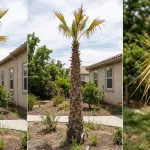
Palms are a defining feature of Northeast Florida’s landscape, gracing driveways, beaches, and neighborhoods with tropical charm. But in recent years, a fast-spreading threat known as lethal bronzing disease has endangered these iconic trees. Once infected, palms decline quickly and can die within months if left untreated.
In this guide from Bushor Tree Surgeons, we’ll explain what lethal bronzing disease is, how to recognize early signs, which palm species are most at risk, and how professional care can help protect your landscape.
What Is Lethal Bronzing Disease?
Lethal bronzing disease (LBD) is a bacterial infection caused by phytoplasmas, microscopic organisms similar to bacteria that invade the tree’s phloem tissue (the system that transports nutrients). It is primarily spread by a small insect called a plant hopper, which carries the bacteria from one palm to another.
The disease first appeared in Texas, then spread across Florida and much of the southeastern U.S. It’s now considered one of the most serious threats to palms in the region.
How Lethal Bronzing Spreads in Florida
The plant hopper feeds on sap from infected palms, then transmits the bacteria as it moves to healthy ones. Because the insects can travel long distances, the disease spreads rapidly through neighborhoods, golf courses, and city landscapes.
Key transmission factors:
- Infected palms left untreated in nearby areas
- Movement of contaminated pruning equipment
- Long-distance transport of infected nursery stock
- Warm, humid climate conditions that favor insect activity
In Northeast Florida, where temperatures rarely drop below freezing, these conditions persist almost year-round.
Common Palm Species Affected
Not all palms are equally vulnerable, but some of Jacksonville’s most popular landscape species are highly susceptible.
High-risk palms include:
- Sabal Palmetto (Cabbage Palm) – Florida’s state tree
- Canary Island Date Palm
- Queen Palm
- Pindo Palm (Jelly Palm)
- Mexican Fan Palm
Lethal bronzing has been confirmed in Duval, Clay, and St. Johns Counties, making preventive action critical for local homeowners.
Early Symptoms to Watch For
The first signs of lethal bronzing can be subtle. Regular inspections are key to early detection.
Typical symptoms include:
- Premature fruit drop
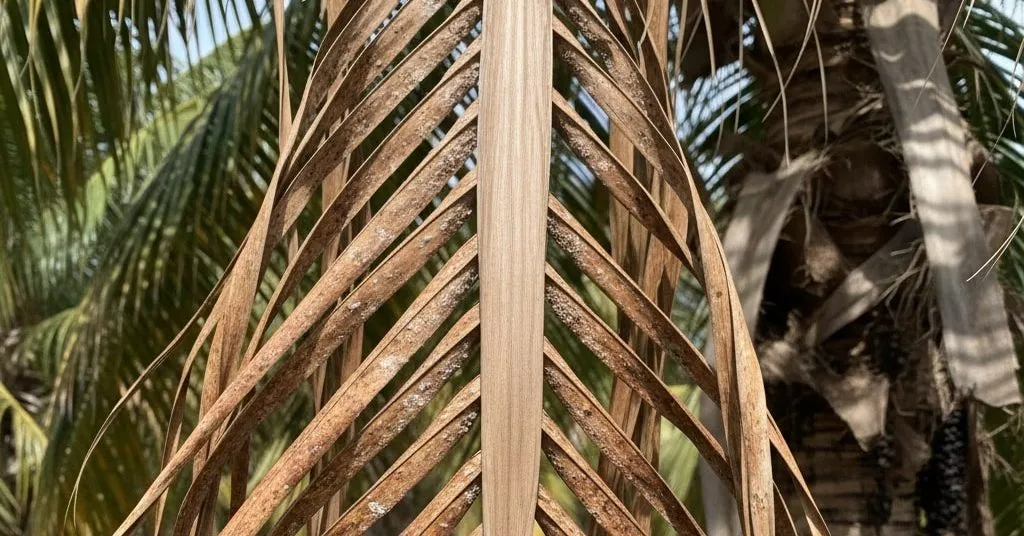
- Browning of the oldest fronds, progressing upward
- Collapse of the spear (newest) leaf
- Overall, “bronzed” or copper discoloration in the canopy
- Eventual crown loss, leaving only a bare trunk
Once the spear leaf dies, the palm usually cannot recover. Acting early is the only way to save infected or nearby trees.
Why Lethal Bronzing Is Dangerous
The disease disrupts the palm’s nutrient flow, essentially starving the tree from the inside out. Unlike fungal infections, it cannot be treated with simple fungicides or pruning. The bacteria multiply quickly, spreading through vascular tissue and making recovery nearly impossible without early intervention.
Additionally, infected palms become sources of contagion for nearby trees. That’s why professional removal of severely infected palms is essential to stop further spread.
How to Confirm Lethal Bronzing
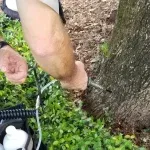
Visual inspection alone isn’t always enough. Arborists confirm lethal bronzing through laboratory testing. A tissue sample from the trunk or petiole (leaf base) is sent to a diagnostic lab, where DNA testing confirms the presence of the phytoplasma.
Bushor Tree Surgeons partners with state-certified labs to ensure accurate results before recommending treatment or removal.
Treatment and Management Options
Although there’s no absolute cure for lethal bronzing, early detection and proactive management can save surrounding palms and slow disease spread.
Recommended management steps:
- Antibiotic Injections: Specialized antibiotics such as oxytetracycline (OTC) can protect healthy palms and stabilize mildly infected ones when administered regularly.
- Removal of Infected Palms: Severely affected trees must be removed and disposed of to prevent transmission.
- Sanitation of Tools: All pruning or injection tools must be disinfected between trees.
- Monitoring: Routine inspections (every 3–4 months) detect new infections early.
Professional treatment programs are the most effective defense against large-scale loss.
Preventing Lethal Bronzing in Your Landscape
Homeowners can reduce risk by combining preventive care and proper maintenance.
Prevention checklist:
- Schedule regular health inspections with a certified arborist.
- Avoid pruning during peak insect activity (typically summer).
- Fertilize palms appropriately to boost natural defenses.
- Remove dying palms immediately to reduce infection sources.
- Replant with resistant species such as Sylvester palms or Windmill palms.
Preventive antibiotic treatments may also be recommended for valuable or at-risk palms.
Environmental Impact of Palm Loss
The decline of palms due to lethal bronzing affects more than just curb appeal. It also impacts Northeast Florida’s environment and identity.
Consequences include:
- Reduced shade and heat absorption control
- Habitat loss for native birds and insects
- Higher costs for municipal tree replacement
- Loss of coastal aesthetic and property value
Healthy palms are vital to maintaining Jacksonville’s subtropical character and resilience.
How to Tell Lethal Bronzing from Other Palm Problems
Many palm diseases share similar symptoms: yellowing fronds, browning tips, or canopy decline. However, lethal bronzing progresses in a distinct pattern that helps arborists identify it early. Use the table below to compare key differences between common Florida palm issues.
| Symptom / Feature | Lethal Bronzing Disease | Ganoderma Butt Rot | Nutrient Deficiency |
| Cause | Phytoplasma bacteria are spread by plant hoppers | Fungal infection (Ganoderma zonatum) | Lack of potassium, magnesium, or manganese |
| Progression Speed | Rapid (3–12 months) | Slow (1–3 years) | Gradually over time |
| Primary Signs | Browning begins on the oldest fronds and moves upward; premature fruit drop; spear leaf collapse | Base or trunk decay; shelf-like conks appear; fronds wilt | Yellow or orange fronds, especially mid-canopy; no spear leaf death |
| Tree Recovery | Not curable once advanced | Not curable once conks appear | Reversible with proper fertilization |
| Transmission | Insect-borne (sap-feeding plant hoppers) | Spreads through contaminated soil or tools | Not contagious |
| Prevention | Regular antibiotic injections, prompt removal of infected palms | Remove infected stumps; avoid soil contamination | Balanced fertilization and soil testing |
Key Takeaway
If the spear leaf collapses first and upper fronds turn a bronze-brown color while lower leaves remain green, you’re likely dealing with lethal bronzing, not a nutrient issue. Always confirm with lab testing before removal or treatment.
The Cost of Ignoring Lethal Bronzing
Many homeowners wait until a visible decline before calling an arborist, but by then, it’s often too late. Ignoring early symptoms of lethal bronzing not only leads to palm loss but also higher long-term costs and potential property damage.
Financial and property risks include:
- Costly removals: Removing large palms can range from $300 to over $1,000 per tree, depending on height and location.
- Landscape restoration: Replacing mature palms with healthy, resistant varieties can double that cost.
- Spread to nearby palms: One untreated infected tree can infect others on your property or in your neighborhood.
- Reduced property value: Dying or missing palms weaken curb appeal and reduce perceived property quality.
Taking early action with testing and preventive care is far more affordable than managing widespread infection later. Homeowners across Jacksonville, Ponte Vedra, and St. Augustine can protect both their landscape and their investment with regular monitoring and treatment.
Frequently Asked Questions
Can lethal bronzing spread to other types of trees?
No. Lethal bronzing only affects palm trees, not oaks, maples, or other hardwood species. It’s caused by a phytoplasma bacterium specific to palms, so it doesn’t spread to non-palm plants or landscape trees.
Can an infected palm tree be saved from lethal bronzing disease?
Sometimes. If caught early, oxytetracycline antibiotic injections can slow or stop disease progression. Once the spear leaf dies or collapses, the infection is too advanced, and removal is the safest option to protect nearby palms.
How long does it take for a palm to die from lethal bronzing?
Depending on the palm species and environment, lethal bronzing can kill a tree within 3 months to 1 year. Early symptoms often go unnoticed, which is why regular professional inspections are key to catching it in time.
Which types of palm trees are most vulnerable to lethal bronzing?
Not all palms are equally affected. Canary Island date palms, queen palms, and sabal palms are highly susceptible, while windmill palms and true date palms tend to show stronger resistance. A local arborist can identify your risk level by species.
How can I tell if my palm tree might be at risk?
If you live in Northeast Florida or coastal areas where lethal bronzing is active, your palms are at higher risk. Schedule a certified arborist inspection twice a year, especially if you notice premature fruit drop, yellowing leaves, or a dead spear leaf.
Safeguard Your Landscape from Lethal Bronzing
Lethal bronzing disease is one of the most destructive threats to palms across Northeast Florida. Once symptoms appear, the infection can spread fast — but early detection and expert treatment can make all the difference.
At Bushor Tree Surgeons, our ISA-certified arborists use advanced diagnostic tools and proven management treatments to protect your palms before the damage becomes irreversible. Whether you need proactive inspections, preventive care, or safe removal of infected trees, we’re here to help you preserve your landscape’s health and beauty.