February 19, 2026
Key Takeaways
- Late winter to early spring (late February to early March) is the ideal time to trim crape myrtles in Jacksonville.
- Proper pruning encourages new growth, leading to more abundant and healthier blooms.
- Avoid “crape murder,” which can damage your trees and lead to weak, spindly growth.
- Jacksonville’s unique climate, including hurricane season, influences optimal trimming practices.
- Bushor ’s Tree Surgeons offers expert crape myrtle trimming to ensure your trees thrive.
Crape myrtles are a beloved sight in Jacksonville, bringing vibrant color to our landscapes throughout the warmer months. These beautiful trees, often seen lining streets and adorning gardens, are known for their stunning blooms and relatively low maintenance. However, knowing when and how to properly trim them is crucial for their health and appearance. Incorrect pruning can lead to weak growth, fewer flowers, and even long-term damage. This guide will help Jacksonville homeowners understand the best practices for crape myrtle trimming, ensuring your trees remain a beautiful asset to your property.
Understanding Crape Myrtle Trimming for Health and Beauty
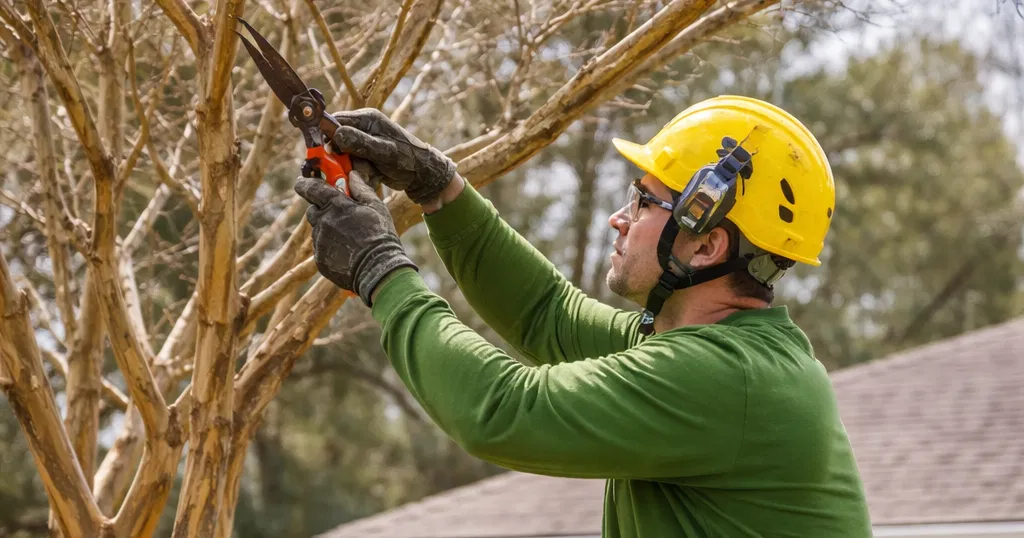
Crape myrtle trimming is more than just cutting branches; it is an art and a science that promotes the tree’s overall health and enhances its blooming potential. These trees bloom on “new wood,” meaning the flowers appear on branches that grew in the current season. Therefore, strategic pruning during the dormant season encourages vigorous new growth, which in turn leads to a spectacular display of flowers in the summer. Proper trimming also helps maintain the tree’s natural shape, improves air circulation, and removes dead or diseased branches. This prevents the spread of pests and diseases, keeping your crape myrtles strong and resilient. It is important to approach pruning with knowledge and care to avoid common mistakes that can harm these otherwise robust trees.
Jacksonville’s Climate and Its Impact on Crape Myrtle Care
Jacksonville’s unique climate plays a significant role in determining the best time and methods for crape myrtle trimming. Our region experiences high humidity and warm temperatures for much of the year, which can foster certain tree diseases and pests if not managed properly. The long growing season here means trees grow quickly, often requiring more regular maintenance than in cooler climates.
- Hurricane Season Considerations: From June 1 to November 30, Jacksonville is in hurricane season. Proactive trimming, such as safety pruning to remove weak or overgrown branches, is crucial. Crown reduction, which shapes tree crowns to improve wind resistance, helps minimize damage during high winds and heavy rains. Saturated soil from heavy rainfall can destabilize root systems, increasing the risk of trees falling.
- Soil and Moisture: Crape myrtles prefer well-drained soil. Jacksonville’s sandy soils are generally suitable, but areas with poor drainage can lead to root rot if conditions are too wet. Proper trimming can also improve light penetration and air circulation, helping to dry out the canopy after rain and reduce fungal issues.
- Local Regulations: Generally, tree trimming and pruning on residential property in Jacksonville do not require a permit. However, for tree removal, especially for “protected” trees (e.g., those with a diameter of six inches or more), documentation from a certified arborist stating the tree is dangerous or poses a risk is necessary. For more details on local tree regulations, you can consult the City of Jacksonville’s official website.
- Pest and Disease Watch: Crape myrtles in our area are susceptible to specific issues. For example, Crape Myrtle Bark Scale is a common pest that can lead to sooty mold, affecting the tree’s appearance and health. Understanding these local challenges helps in planning effective tree care.
Best Time to Schedule in Jacksonville
The absolute best time to trim your crape myrtles in Jacksonville is during late winter to early spring. This window typically falls between late February and early March. The key is to prune when the tree is dormant, just before new growth begins, and after the risk of a hard frost has passed. This timing allows the tree to heal quickly and directs its energy into producing strong, healthy new branches that will bear abundant flowers in the summer. Waiting until the last possible moment before spring growth ensures the plant retains maximum energy reserves through the coldest parts of winter.
Seasonal Breakdown (Spring vs Summer vs Fall vs Winter)
Understanding how each season impacts crape myrtle health helps in planning your trimming schedule.
- Winter (Late February – Early March) is ideal: This is the prime time for major pruning. The trees are dormant, meaning they have shed their leaves and are not actively growing. Pruning during dormancy minimizes stress on the tree and reduces the risk of disease entry. It also gives you a clear view of the tree’s structure, making it easier to identify dead, crossing, or weak branches.
- Spring (After March – Generally Not Recommended for Major Pruning): Once spring begins and new growth emerges, it is generally too late for significant pruning. Cutting back new growth will reduce the number of blooms you see in the summer, as crape myrtles bloom on current season’s wood. Light shaping or removal of small, errant shoots can be done, but avoid heavy trimming.
- Summer (Not Recommended for Pruning): Pruning crape myrtles in summer is not advised. It removes the current season’s flowers and can stress the tree during its most active growth and blooming period. Any cuts made will also encourage new, tender growth that can be vulnerable to pests and diseases during the humid summer months.
- Fall (Not Recommended for Pruning): Pruning in late summer or fall can stimulate new growth that is too tender to withstand winter temperatures. This new growth can be damaged by frost, potentially leading to dieback and making the tree more susceptible to disease. It also reduces the number of flower buds for the following year.
Weather Conditions That Affect Timing
For optimal tree health and bloom production, sticking to the late winter to early spring window is essential. For more general tree care tips, the Arbor Day Foundation provides excellent resources. Jacksonville’s specific weather patterns directly influence the best time to prune crape myrtles.
- Frost Risk: Although Jacksonville rarely experiences severe, prolonged freezes, late frosts can still occur. Pruning too early in winter, before all frost risk has passed, can stimulate new growth that is then vulnerable to cold damage. Waiting until late February or early March typically ensures the coldest weather is behind us.
- Humidity and Rain: Our high humidity and frequent rainfall can be a double-edged sword. While crape myrtles enjoy moisture, excessive humidity combined with pruning cuts can create an ideal environment for fungal diseases to take hold. Pruning when conditions are drier, or ensuring cuts heal quickly is beneficial.
- Drought vs. Wet Seasons: Crape myrtles are relatively drought-tolerant once established, but extreme conditions can stress them. Avoid pruning during periods of severe drought or immediately after prolonged heavy rains, which can make the soil waterlogged and stress the roots. A healthy, well-hydrated tree responds better to pruning.
Did You Know? Jacksonville’s Green Canopy: More Than Just Beauty
Considering these factors, the late winter to early spring window offers the best balance for successful crape myrtle trimming in Jacksonville, allowing the tree to recover and thrive before the intense heat and humidity of summer arrive. Jacksonville is proud of its extensive tree canopy, which offers far more than just aesthetic appeal. In 2020, Jacksonville had a 41% tree canopy cover across its city and extraterritorial jurisdiction.
The city-wide tree canopy, including rural Duval County lands, is reported as 55.5%. These trees provide significant ecosystem benefits, valued at over $2.8 million per year. This value comes from improvements in air quality, prevention of stormwater runoff, and carbon sequestration. Jacksonville’s trees absorb an average of 1.4 billion gallons of water during an average rainfall event, highlighting their vital role in our local environment. Preserving and properly maintaining trees like crape myrtles contributes to this invaluable green infrastructure.
Common Mistakes to Avoid
Proper crape myrtle trimming requires knowledge and a gentle hand. Avoiding common mistakes is key to maintaining healthy, beautiful trees.
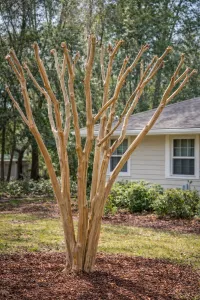
- “Crape Murder”: This is arguably the most significant mistake. “Crape murder” refers to the severe topping or cutting back of large crape myrtle branches to stubs. This practice ruins the tree’s natural form, encourages weak, spindly growth that cannot support future blooms, and can increase susceptibility to disease and pests. It also creates an unattractive knobby appearance.
- Pruning at the Wrong Time: As discussed, pruning outside the late winter/early spring window can lead to reduced blooms, frost damage to new growth, or stress on the tree during its active growing season.
- Removing Too Much Healthy Wood: While removing dead or diseased branches is good, excessive removal of healthy wood can weaken the tree, reduce its ability to photosynthesize, and diminish future flowering. Aim for selective pruning rather than aggressive cutting.
- Using Dull or Dirty Tools: Dull pruning shears can tear branches, leaving ragged wounds that are slow to heal and susceptible to disease. Dirty tools can spread pathogens from one tree to another. Always use sharp, clean tools.
- Not Understanding the Tree’s Natural Shape: Crape myrtles have a beautiful natural vase-like shape. Proper pruning should enhance this form, not destroy it. Avoid forcing the tree into an unnatural shape, as this often leads to more problems down the line.
Frequently Asked Questions
What is “crape murder” and why should I avoid it?
“Crape murder” is the severe topping of crape myrtle branches, cutting them back to large stubs. This practice is harmful because it disfigures the tree, promotes weak and unsightly growth, and can make the tree more vulnerable to pests and diseases. It significantly detracts from the tree’s natural beauty and long-term health.
How often should crape myrtles be trimmed in Jacksonville?
For mature crape myrtles, annual light pruning is often sufficient to remove spent seed pods, dead wood, or crossing branches. More significant structural pruning, if needed, should be done every few years. Younger trees may need more regular shaping to establish a strong framework.
Can I prune crape myrtles in the fall in Jacksonville?
It is generally not recommended to prune crape myrtles in the fall in Jacksonville. Fall pruning can stimulate new, tender growth that is susceptible to frost damage during winter. It can also reduce the number of blooms you will see the following summer. Stick to late winter or early spring.
What should I do if my crape myrtle has powdery mildew or other diseases?
Powdery mildew is common in Jacksonville’s humid climate. Ensure good air circulation through proper pruning. For other diseases or pests like crape myrtle bark scale, consult with a certified arborist like those at Bushor ’s Tree Surgeons for diagnosis and appropriate treatment options.
Do I need a permit to trim my crape myrtle in Jacksonville?
Generally, you do not need a permit for routine trimming or pruning of trees on residential property in Jacksonville. However, if you are considering removing a large or “protected” tree, specific regulations apply, and you may need documentation from a certified arborist.
What tools are best for trimming crape myrtles?
For smaller branches (up to 3/4 inch), bypass pruners are ideal. For branches up to 1 1/2 inches, use loppers. A pruning saw is best for larger branches. Always ensure your tools are sharp and clean to make clean cuts and prevent the spread.
Final Thoughts on Pruning Crape Myrtles in Jacksonville
Properly trimming your crape myrtles is an investment in their long-term health and beauty, ensuring they continue to grace your Jacksonville landscape with their vibrant blooms year after year. By understanding the optimal timing, avoiding common mistakes like “crape murder,” and considering Jacksonville’s specific climate conditions, you can foster strong, resilient, and floriferous trees. Remember, the late winter to early spring window is your best opportunity for effective pruning.