
May 10, 2026
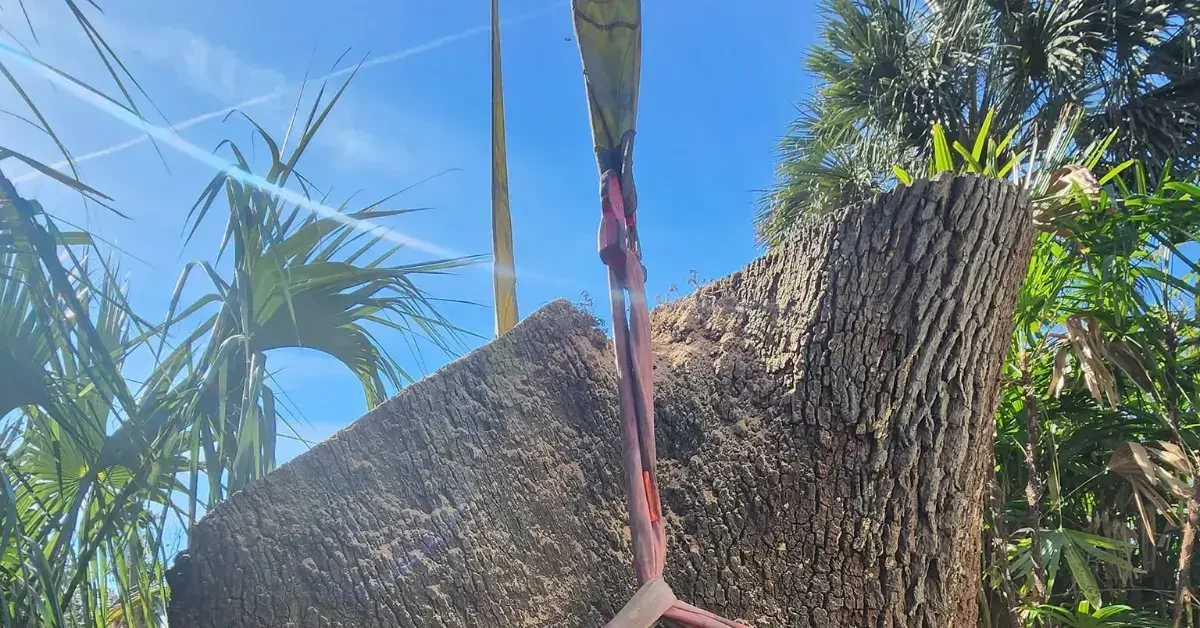
When a tree comes down, it leaves more behind than a patch of bare ground. You’re often left with compacted soil, a buried root system, and a stump that needs attention. What you do next determines whether your yard recovers quickly or struggles for years. In Jacksonville’s climate, where heavy rains and sandy soil already challenge plant health, the post-removal steps matter even more.
This guide explains exactly what to do after tree removal, how to deal with the stump, restore the soil, and prepare the area for replanting or landscaping that lasts.
The Hidden Impact of Tree Removal on Soil Health
Removing a mature tree changes the soil beneath it in ways that aren’t visible right away. A tree’s root system can spread 2 to 3 times wider than its canopy. Those roots shape how the soil drains, how compact it is, and how rich it stays in nutrients.
Once the tree is gone:
- The roots begin to decompose and leave air pockets.
- Soil compaction increases because no roots are keeping it loose.
- The ground loses organic matter, moisture balance, and shade protection.
In Jacksonville’s sandy soil, these shifts can cause settling, erosion, and loss of nutrients. Rebuilding the soil correctly prevents these problems and gives any new plantings a strong start.
Step 1: Decide What to Do With the Stump
Every tree removal leaves a stump that you’ll need to handle before restoring the area. The right choice depends on your plans for the site.
Grinding the Stump Below Ground Level
Stump grinding is the standard solution for most residential properties. A professional arborist grinds the stump down several inches below the surface, turning it into fine wood chips mixed with soil.
When to choose grinding:
- You plan to grow grass or small plants.
- You want a quick and affordable solution.
- You don’t need to replant a large tree in the exact same spot.
What to know about grinding: The remaining roots will decay over time, which means the ground can sink slightly. After grinding, remove most of the wood chips because they consume nitrogen while decomposing. Replace them with fresh topsoil and compost before planting anything new.
Full Stump and Root Removal
If you want to replant a tree or redesign the area, full removal is a better long-term option. This process digs out the stump and main roots entirely, leaving clean soil ready for replanting.
Advantages:
- Prevents regrowth or sprouting.
- Eliminates root decay issues.
- Creates a clean base for new landscaping or foundations.
Trade-offs:
- Costs more and disturbs a wider soil area.
- Requires filling and re-leveling the ground afterward.
In Jacksonville’s older neighborhoods, where large oaks and pines often sit close to driveways or irrigation lines, full removal is the safest way to prevent root interference later.
Leaving the Stump to Naturally Decompose
In wooded or natural areas, you can let the stump decay on its own. Over several years, it breaks down into the soil and supports insects, fungi, and small wildlife. This approach fits rural properties or low-maintenance landscapes.
To keep it safe and tidy, cut the stump low, seal the top with a clear protective coating, or turn it into a decorative feature like a planter or garden seat.
Step 2: Handle the Mulch and Wood Chips
After grinding, you’ll have a mix of soil and shredded wood covering the area. These wood chips are high in carbon and low in nitrogen. If left in place, they can rob nitrogen from the soil as they decompose, making it hard for grass or flowers to grow.
Here’s what to do:
- Shovel out the bulk of the chips and store them elsewhere for later mulch use.
- Add at least 8 to 12 inches of clean topsoil mixed with compost to replace the volume removed.
- Rake and level the surface before watering to help it settle.
The wood chips can be repurposed as mulch under other trees, along walking paths, or in garden beds where they won’t affect plant roots directly.
Step 3: Rebuild the Soil for Planting
Healthy soil is the foundation for any successful replanting. After a tree is removed, the soil is usually compacted, dry, and imbalanced in nutrients. Reconditioning it restores life to the area.
Remove Old Roots and Debris
Use a shovel or garden rake to dig out visible roots, bark, and woody debris. This reduces pest risk and allows new roots to grow freely.
Loosen the Ground
In Florida’s sandy soil, compaction happens easily. Use a garden fork or tiller to loosen at least the top 12 inches of soil. In clay-heavy areas, go deeper to improve drainage.
Add Organic Matter and Topsoil
Blend compost, peat moss, or well-rotted manure into the top layer. For every square foot, mix about one bucket of compost with two parts of topsoil. Organic material feeds microorganisms, improves structure, and enhances moisture retention.
Test and Balance the Soil pH
Certain trees, like pines or oaks, leave acidic soil behind. Test the pH with a home kit. The ideal range for most plants is between 6.0 and 7.0. If it’s lower, sprinkle lime to raise it. If it’s higher, add peat moss or elemental sulfur to lower it.
Let the Soil Settle
Give the ground a few weeks to settle naturally before planting anything. This prevents uneven areas later as buried roots continue to decompose.
Step 4: Choose How to Use the Cleared Area
Once your soil is healthy again, decide what you want that space to become. Each option requires a slightly different approach.
Converting the Area into Lawn
If you want to restore grass, patience and preparation will pay off.
- Rake the surface smooth and remove remaining chips.
- Add a 2-inch layer of compost or enriched topsoil.
- Level the ground and lightly compact it.
- Spread your chosen grass seed evenly or install sod.
- Water daily for the first two weeks, then gradually reduce.
For Jacksonville yards, St. Augustine grass thrives in full sun and salt-tolerant conditions. Bermuda grass suits high-traffic areas, while Zoysia offers fine texture and moderate shade tolerance.
Keep an eye on settling. If depressions appear, fill them with topsoil rather than piling mulch or sand, which can suffocate roots.
Turning the Space into a Garden Bed
A cleared tree spot makes an excellent garden if you prepare it correctly. With the right soil blend and plant choices, it can transform into a colorful focal point.
How to build it:
- Till the compost 8 to 10 inches deep for rich, friable soil.
- Choose plants that enjoy full sun, since you’ve lost shade.
- Add edging or raised borders to define the area and retain soil.
Best choices for Jacksonville’s soil and climate:
- Perennials like daylilies, coreopsis, and black-eyed Susans.
- Pollinator plants such as salvia, lantana, and coneflower.
- Shrubs like azaleas, dwarf yaupon holly, or gardenia.
Keep mulch two inches thick, but never pressed against stems. Water early in the morning to limit evaporation from Florida’s heat.
Planting a New Tree
Many homeowners want to replace what was lost. Planting a new tree is rewarding but needs careful spacing and soil care.
Can you plant in the same spot?
Usually, it’s better not to. The decaying roots below can stunt new growth or host fungi. Move at least 3 to 5 feet away from the original stump for best results.
If you must use the same area:
- Remove as many old roots as possible.
- Replace at least 2 feet of soil with new, nutrient-rich soil.
- Mix in compost and a small amount of slow-release fertilizer.
Ideal replacement trees for Jacksonville:
- Crape Myrtle for color and drought tolerance.
- Southern Magnolia for shade and longevity.
- Red Maple for seasonal color.
- Live Oak for classic beauty and resilience.
Plant in the cooler months, from late fall to early spring, so the roots can establish before the summer heat. Water deeply twice a week during the first growing season.
Step 5: Manage Soil Settling and Root Decay
Even after grinding, large roots underground will slowly decompose. As they break down, the soil above them can sink. You might not notice it right away, but after a few heavy rains, low spots appear.
The best approach is to fill gradually rather than all at once. Add topsoil in thin layers and reseed grass as needed. Avoid compacting too heavily; you want the ground to stay breathable.
If you plan to build or install heavy features such as patios, wait at least six months after stump removal to ensure full stabilization.
Step 6: Prevent Pests and Unwanted Sprouts
Old tree roots sometimes send up new shoots even after removal. To stop this:
- Cut any new sprouts as soon as they appear.
- Apply a natural stump treatment or a vinegar solution to the exposed surface.
- Keep the area mowed or covered until no regrowth appears for several months.
Rotting stumps or leftover wood can attract termites and carpenter ants. Always clear leftover debris and keep mulch several inches away from your home’s foundation.
Step 7: Handle Disease Risks Before Replanting
If the removed tree was diseased, the pathogens can linger in the soil and affect new plants. Before replanting, identify the issue.
- For root rot diseases like Armillaria, avoid planting any tree species in that spot for at least three years.
- Remove and discard all infected roots and soil instead of composting them.
- Solarize the soil by covering it with clear plastic for 4 to 6 weeks in summer to kill pathogens.
- Choose disease-resistant varieties when replanting.
Jacksonville’s humid climate favors fungal growth, so proper soil drainage and aeration are key preventive steps
Step 8: Rebalance the Landscape After Tree Removal
Losing a large tree changes more than the soil. It shifts the entire balance of your landscape. Areas that were shaded now receive intense sunlight. Rain may fall differently on the yard. Wind exposure might increase.
Before replanting, observe how the space behaves for a few weeks. Notice where water pools or where the sun hits longest. You may find that a smaller ornamental tree or a garden feature suits the area better than another large shade tree.
If the removed tree once shaded your home, consider replanting a new one strategically to provide energy-saving shade without crowding foundations or utility lines.
Step 9: Involve a Certified Arborist When Needed
Tree removal is only the first half of the work. Soil restoration, replanting, and pest management require professional insight. Certified arborists understand root systems, nutrient balance, and local conditions.
Bushor’s Tree Surgeons in Jacksonville provides:
- Expert stump grinding and full root removal.
- Soil testing and amendment advice.
- Tree health assessments and replanting plans.
- Emergency and preventive tree care.
Their team knows Northeast Florida’s soils and common tree challenges, from live oak decay to palm root rot. Having an arborist evaluate your site ensures the new landscape thrives instead of repeating old issues.
Step 10: Reuse and Recycle Tree Material Responsibly
A removed tree can still benefit your yard. Instead of discarding everything, repurpose the wood thoughtfully.
- Turn logs into natural seating, edging, or firewood (after proper seasoning).
- Use shredded branches as mulch around established trees and garden beds.
- Save stump slices for decorative stepping stones.
- Compost smaller twigs and leaves to enrich your soil naturally.
Recycling this organic material supports a sustainable landscape and keeps waste out of landfills.
Frequently Asked Questions About What to Do After Tree Removal
1. Can I plant a new tree where one was removed?
It’s possible, but not ideal. The old tree’s roots and decomposing wood can make the soil unstable and nutrient-poor. If you replant in the same spot, replace at least two feet of soil and mix in compost and fresh topsoil. It’s better to plant the new tree a few feet away from the original location for stronger root growth.
2. What should I do with the stump after tree removal?
You have three choices: grind it, remove it completely, or let it decay naturally. Most homeowners choose stump grinding because it’s fast, affordable, and leaves the yard ready for replanting or grass. Full removal is best if you plan to plant another tree or build in that area.
3. Why does the ground sink after a tree is removed?
When tree roots decompose underground, they leave air pockets that cause the soil to settle. This is normal and may continue for several months. You can fill low spots with topsoil gradually until the ground levels out. Avoid heavy compacting so the soil stays breathable.
4. How soon can I replant grass after stump grinding?
Wait about two to three weeks. This gives the soil time to settle and ensures most of the wood chips are removed. Refill the area with topsoil and compost before seeding or laying sod. In Jacksonville, St. Augustine and Zoysia grasses grow well after tree removal.
5. What if my tree were diseased?
If the removed tree had root rot or a fungal infection, do not plant the same species in that spot right away. Remove as many infected roots as possible and replace the surrounding soil. Solarize the soil with clear plastic during summer to kill remaining pathogens before replanting.
6. Should I hire a professional for stump and soil work?
Yes. Stump grinding, soil restoration, and replanting require the right equipment and expertise. A certified arborist from Bushor’s Tree Surgeons can assess your soil, remove the stump safely, and prepare the area for healthy regrowth. Professional help saves time and prevents long-term soil or drainage problems.
Your Next Steps to a Healthy, Restored Landscape
Restoring a landscape after tree removal takes time, patience, and care. Begin by removing or grinding the stump, clearing away the wood debris, and rebuilding the soil with compost and nutrient-rich topsoil. Let the ground settle before replanting, then choose plants or trees that can handle Jacksonville’s sandy soil, warm weather, and seasonal rain. A careful approach helps prevent soil collapse, pest issues, and disease from returning. Healthy soil is what determines whether your new lawn, garden, or tree will thrive long-term.