Key Takeaways
- Root rot is a serious tree disease caused primarily by waterlogged soil, leading to oxygen deprivation and fungal growth.
- Symptoms often mimic other issues like drought, making early and accurate diagnosis crucial for effective treatment.
- Jacksonville’s subtropical climate and heavy rainfall patterns increase the risk of overwatering and poor drainage issues.
- At Bushor’s Tree Surgeons, we emphasize prevention through proper watering, soil management, and expert arborist consultation.
- Professional assessment is vital for severe cases or when you are unsure about the best course of action for your affected trees.
Trees are a vital part of Jacksonville’s beautiful landscape, offering shade, beauty, and environmental benefits. However, even the most robust trees can fall victim to hidden dangers, one of the most common being root rot caused by overwatering. This silent killer can devastate your trees before you even realize there’s a problem. Understanding how to identify, prevent, and treat root rot is essential for every Jacksonville homeowner.
What is Root Rot?
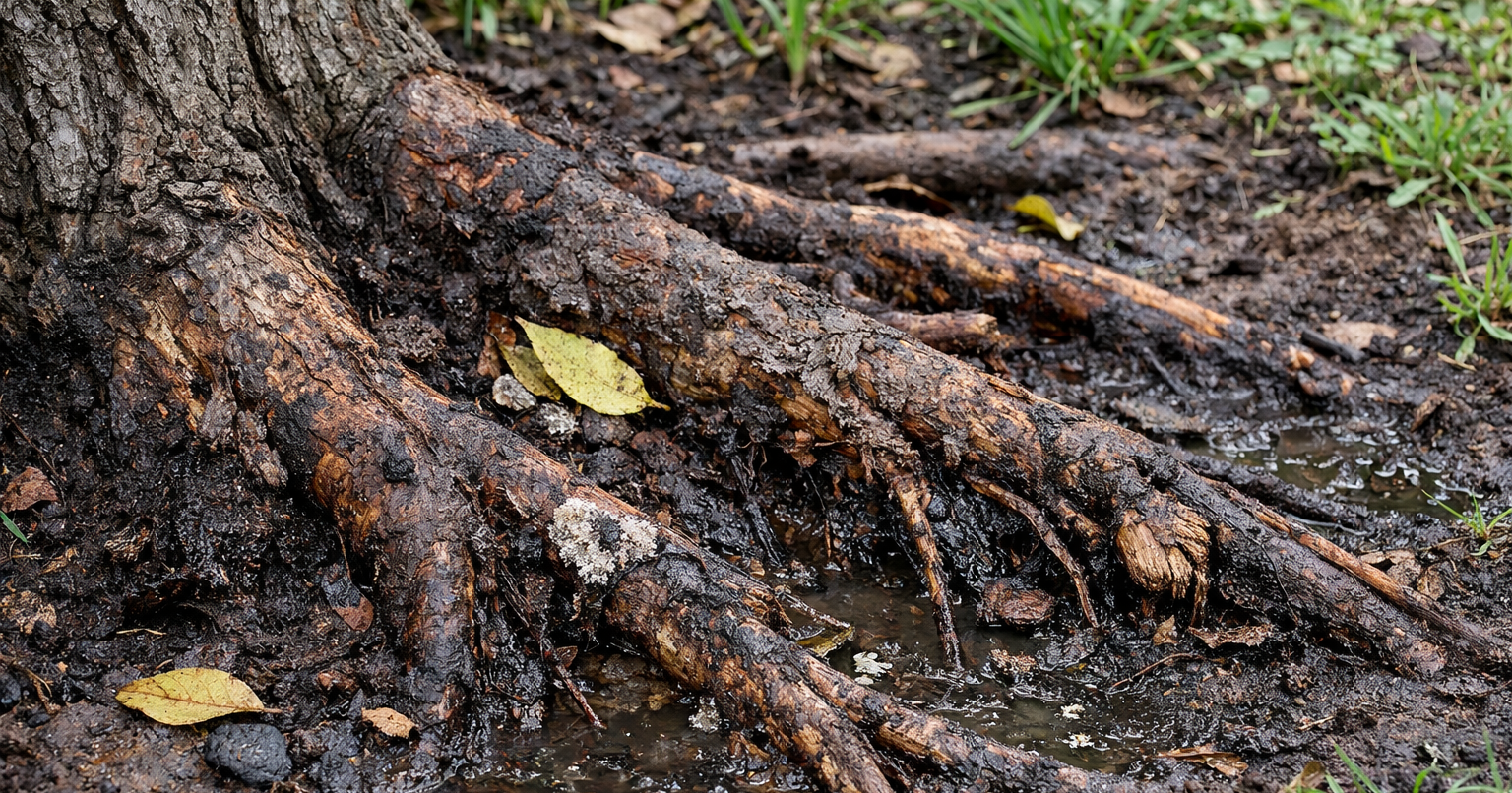
Root rot refers to the decay of tree roots, primarily caused by a lack of oxygen in waterlogged soil. When soil stays saturated for too long, air pockets disappear, suffocating the roots. This creates an ideal environment for various harmful fungi, molds, and oomycetes to thrive and attack the weakened roots. These pathogens break down root tissue, preventing the tree from absorbing water and nutrients, even if the soil is moist.
Jacksonville’s Climate Impact on Root Rot
Jacksonville, FL, boasts a humid subtropical climate, characterized by long, hot, wet summers and mild, drier winters. This climate, while beneficial for lush growth, also presents unique challenges for tree health, especially concerning root rot. Heavy summer thunderstorms can quickly saturate soils, and if drainage is poor, roots can suffer. Many areas in Jacksonville also have heavier clay soils or compacted urban soils that do not drain well, exacerbating the problem.
Trees in Florida grow year-round, meaning diseases and pests are active longer, and trees have less time to recover compared to colder climates. One common and beautiful tree, the Live Oak, is generally resilient but can still succumb to root rot if conditions are consistently too wet. Understanding these local factors is crucial for effective tree care. For more detailed information on managing tree health in our unique environment, the UF/IFAS publication on Root Rot offers valuable insights.
Understanding Root Rot in Jacksonville’s Trees
Recognizing root rot in Jacksonville’s diverse tree species can be tricky. The symptoms often appear above ground, mimicking other issues like drought stress or nutrient deficiencies. This makes early and accurate identification a challenge for many homeowners. However, understanding how root rot manifests in our local environment is the first step toward effective intervention.
Top Causes of Root Rot
Overwatering Practices
The most direct cause of root rot is providing too much water. This can happen through automatic irrigation systems set to water too frequently or for too long, especially during Jacksonville’s rainy season. Manual watering without checking soil moisture levels can also lead to over-saturation. New plantings are particularly vulnerable as their root systems are still developing.
Poor Soil Drainage
Soil that doesn’t allow water to drain away efficiently is a major contributor to root rot. Jacksonville’s natural soil composition can vary, with some areas having heavier clay content that retains water. If your yard tends to stay soggy after rain, your trees are at risk. Proper site assessment before planting is crucial.
Compacted Soil
Compacted soil, often found in high-traffic areas, construction sites, or older landscapes, reduces the pore space necessary for air and water movement. This lack of aeration starves roots of oxygen, making them more susceptible to fungal attacks. Heavy machinery, foot traffic, and even consistent lawn mowing can lead to compaction over time.
Fungal Pathogens
Once roots are weakened by waterlogging, various soil-borne fungi, such as *Phytophthora* or *Armillaria*, seize the opportunity to infect. These pathogens thrive in anaerobic conditions and actively decay root tissue. Identifying the specific fungus can be complex and often requires laboratory analysis, underscoring the need for professional diagnosis.
Proven Solutions for Root Rot (DIY vs. Professional)
Initial DIY Steps
If you suspect root rot, immediate action is vital. Stop all watering to the affected area. Improve surface drainage by creating shallow channels or adjusting landscape grading. For minor cases, carefully expose the root flare, removing excess soil to allow it to dry. You can also incorporate organic matter like compost into the surrounding soil to improve aeration. However, these steps are often temporary fixes for underlying issues.
When to Call the Professionals
For more severe or persistent root rot, professional intervention is highly recommended. Certified arborists can accurately diagnose the type and extent of the rot. They can implement advanced treatments such as root pruning, soil aeration, or targeted fungicidal applications. For complex cases, Bushor’s Tree Surgeons offers comprehensive diagnostic and treatment plans, ensuring your trees receive the best possible care. Our team has the expertise to assess your tree’s health and recommend the most effective solutions.
Prevention Tips for Healthy Trees
- Water Smartly: Only water when the top few inches of soil are dry. Use a moisture meter or simply feel the soil. Deep, infrequent watering is generally better than light, frequent watering.
- Improve Drainage: If you have heavy clay soil, consider amending it with organic matter or planting trees in raised beds to ensure proper water runoff.
- Mulch Properly: Apply a 2-4 inch layer of organic mulch, such as wood chips, around the base of your trees. Keep it a few inches away from the trunk to prevent moisture buildup at the root flare. For more tips on mulching, visit the Arbor Day Foundation.
- Choose the Right Tree: Select tree species that are well-suited to Jacksonville’s climate and your specific soil conditions. Native Florida trees are often more resilient to local challenges.
- Avoid Compaction: Limit foot and vehicle traffic around the root zone of your trees. If compaction is an issue, consider professional soil aeration.
- Regular Inspections: Periodically check your trees for any signs of distress. Early detection of root rot or other issues significantly improves the chances of successful treatment.
Local Insight: Protecting Trees in Jacksonville Neighborhoods
Jacksonville is a city of diverse neighborhoods, each with its own unique landscape challenges. In historic areas like Riverside and Avondale, mature trees often thrive, but their established root systems can be vulnerable to changes in drainage from new construction or landscape modifications. Compacted soils from decades of urban living also pose a risk. In newer developments around the Beaches or Nocatee, new plantings may struggle with overwatering from automated irrigation systems that don’t account for rainfall or specific tree needs. Even in areas like San Marco, with its mix of older and newer homes, understanding local soil variations and typical water patterns is key to preventing root rot. Tailoring tree care to your specific neighborhood’s conditions can make all the difference.
Common Mistakes to Avoid
Homeowners, with the best intentions, often make mistakes that can inadvertently harm their trees. Avoiding these common pitfalls is as important as implementing good practices.
- Ignoring Early Warning Signs: Yellowing leaves or wilting can be easily dismissed as drought, but in moist soil, they are often a cry for help indicating root rot. Don’t wait until the tree is severely stressed.
- Over-fertilizing: Applying too much fertilizer, especially without a soil test, can burn roots and stress the tree, making it more susceptible to disease. A stressed tree is a weak tree.
- Improper Planting Depth: Planting a tree too deep, or piling too much soil or mulch around its trunk, suffocates the root collar and encourages rot. The root flare should always be visible at ground level.
- DIY Treatments Without Diagnosis: Attempting to treat root rot with generic fungicides or home remedies without a proper diagnosis can be ineffective or even harmful. Different fungi require different treatments.
- Not Addressing Soil Compaction: Simply stopping overwatering isn’t enough if the underlying soil compaction prevents proper drainage. This issue requires professional aeration or soil amendment to truly resolve.
Frequently Asked Questions
What are the first signs of root rot in a tree?
Early signs of root rot often include yellowing or wilting leaves, stunted growth, and premature leaf drop. You might also notice branch dieback or a general decline in the tree’s vigor, even if the soil seems moist. These symptoms can mimic other problems, so a professional diagnosis is often helpful.
Can a tree recover from root rot?
A tree can recover from root rot if the problem is caught early and the underlying cause, such as overwatering, is corrected. Improving soil drainage, pruning affected roots, and applying fungicides can help. However, severely infected trees may not recover and might need removal to prevent spread.
How often should I water my trees in Jacksonville, FL?
In Jacksonville, watering frequency depends on tree species, age, and recent rainfall. Generally, deep, infrequent watering is better than shallow, frequent watering. Allow the soil to dry out between waterings. Mature trees often need less supplemental water than newly planted ones, especially during the rainy season.
What kind of soil is best for preventing root rot?
Well-drained soil is crucial for preventing root rot. Sandy loams are ideal, allowing water to drain away while retaining some moisture and nutrients. Heavy clay soils or compacted soils can trap water, creating anaerobic conditions. Amending soil with organic matter can improve drainage and aeration.
Do all trees get root rot?
While all trees can be susceptible to root rot under extreme waterlogged conditions, some species are more tolerant of wet feet than others. Trees native to drier climates or those planted in unsuitable, poorly draining soil are generally at higher risk. Proper plant selection for your site is vital.
When should I call a professional arborist for root rot?
You should call a certified arborist if you suspect root rot, especially if symptoms are widespread or the tree’s health is rapidly declining. Arborists can accurately diagnose the issue, recommend the best course of action, and safely implement treatments or removal if necessary. Their expertise protects your trees and property.
Final Thoughts on Preventing Root Rot in Jacksonville Trees
Root rot from overwatering is a serious threat to the health and longevity of your trees in Jacksonville, FL. Understanding its causes, recognizing early symptoms, and implementing effective prevention strategies are key to maintaining a vibrant landscape. While some issues can be addressed with careful DIY efforts, many cases require the specialized knowledge and equipment of certified arborists. Protecting your trees means staying vigilant and knowing when to call in the experts.