August 12, 2026
Key Takeaways
- Soil compaction squeezes air and water out of soil, slowly suffocating tree roots.
- Mature trees are especially vulnerable because their root systems are already established.
- Common causes include construction traffic, parked vehicles, and repeated foot traffic.
- Symptoms are subtle at first: thinning canopy, stunted growth, early leaf drop.
- Left untreated, compaction can lead to root suffocation and eventual tree failure.
- Aeration, mulching, and root zone management can reverse much of the damage if caught early.
- A certified arborist can assess compaction with a soil probe and recommend a treatment plan.
If a mature oak or magnolia in your yard has been looking tired lately, thinning out, growing slower, or dropping leaves early, the problem may not be above ground at all. It may be happening several inches below the surface, in soil that’s been quietly compacted over years of foot traffic, parked cars, or construction work.
Soil compaction is one of the most underdiagnosed issues in mature Jacksonville trees. It doesn’t show up overnight, and it rarely gets blamed when a tree declines because the symptoms look like other problems. Once you understand what’s happening underground, the connection becomes clear.
What Soil Compaction Does to a Tree
Healthy soil holds tiny pockets of air and moisture that roots depend on. When soil compacts, those pockets collapse. Water can’t drain properly, air can’t circulate, and roots can’t push through the dense material to expand.
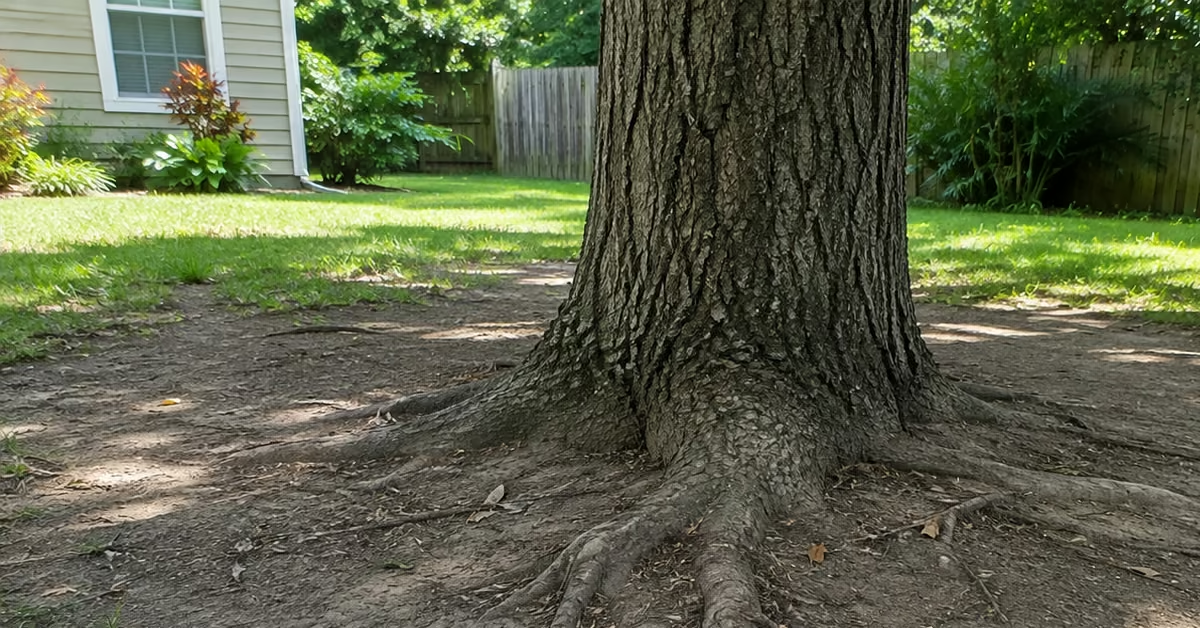
A mature tree’s root system is already established, spread wide and shallow, often extending two to three times beyond the canopy edge. When compaction happens within that zone, the tree has little flexibility to adapt. Roots that can’t get oxygen begin to suffocate, a slow, cumulative process. The tree conserves energy, produces less new growth, and becomes more vulnerable to pests and disease.
Why Jacksonville Properties Are at Risk
A few common scenarios across Duval, St. Johns, Clay, and Nassau counties:
- Construction and renovation projects, where heavy equipment and repeated foot traffic compact soil even without touching the tree directly.
- Vehicle parking on lawns, adding pressure soil doesn’t easily recover from, especially near driveways in neighborhoods like Mandarin and Arlington.
- Repeated foot traffic along the same worn paths across a yard.
- Poor drainage areas, since saturated soil compresses more readily than dry soil. Older, established landscapes with decades-old trees affected by cumulative, low-level compaction.
Compaction is invisible from the surface. A yard can look tidy and green while the soil beneath has become dense enough to cut off root oxygen. In fact, some of the worst compaction has been under perfectly manicured lawns, since regular mowing, edging, and general upkeep don’t relieve any of the underlying pressure on the soil structure. The grass above can stay green for years even as the tree roots below are slowly losing access to air and water.
It’s also worth noting that compaction tends to be worse in a ring or strip pattern rather than evenly across a whole yard. A driveway edge, a side yard gate path, or the area under a swing set will often show dramatically more compaction than the rest of the property, simply because that’s where pressure has been repeated most consistently over time. Understanding where these high-traffic zones overlap with a tree’s root system is often the key to figuring out why one side of a canopy looks healthier than the other.
Signs Your Tree May Be Affected
Here are the top indicators that your tree have been impacted from soil compaction –
- Thinning canopy or fewer leaves than in previous years, especially when the reduction is gradual.
- Stunted annual growth, with new shoots noticeably smaller than usual.
- Early or excessive leaf drop during the growing season.
- Standing water near the base after rain.
- Exposed, shallow surface roots as roots seek oxygen closer to the surface.
- Dieback in the upper canopy
- Increased pest or disease activity, since a stressed tree has fewer defenses. Because these symptoms overlap with other issues, proper diagnosis usually requires a certified arborist checking the soil directly.
How Arborists Diagnose It
A certified arborist in Jacksonville, Florida uses a soil probe or penetrometer to measure resistance at multiple points around the root zone. Healthy soil offers even, moderate resistance; compacted soil resists much more, often unevenly near driveways, fence lines, or well-used pathways. Arborists also check drainage patterns, surface rooting, and the property’s recent history, including construction or grading work.
In some cases, arborists pair the probe test with a simple infiltration test, timing how quickly water absorbs into the soil at different points around the yard. A sharp contrast between how fast water disappears near the drip line versus a high-traffic area is often all the confirmation needed. When the results are less clear-cut, or when a tree’s decline seems to have multiple contributing factors, arborists also recommend a soil sample be sent out for lab analysis to rule out nutrient lockout or pH imbalance working alongside the compaction.
Treating Compacted Soil
- Vertical mulching or air spading uses compressed air to create channels in the soil without cutting roots, letting air and water reach deeper.
- Core aeration removes small soil plugs to relieve pressure and create space for roots.
- Organic mulching helps soil retain structure over time and reduces future compaction from rain and traffic.
- Root zone protection, like temporary fencing, prevents new compaction during construction.
- Reducing traffic and load, such as rerouting a path or parking spot, is sometimes the simplest fix.
- Fertilization and soil amendments help a stressed root system rebuild capacity once air and water access improve.
- For long-established trees, arborists typically recommend a phased approach rather than one aggressive intervention, since pushing too much treatment at once can add stress rather than relieve it.
Preventing Compaction Before It Starts
- Keep vehicles and equipment off the area beneath a tree’s canopy and beyond.
- Install fencing around root zones during construction or major yard projects.
- Vary foot traffic patterns rather than repeating the same path.
- Maintain a consistent mulch layer to cushion the soil surface.
- Schedule periodic arborist check-ins for mature trees, especially after construction or noticeable canopy changes.
If you’re planning a landscaping refresh, installing a shed, or adding a new fence, include your tree’s root zone in the planning process from the start. Simple decisions, such as routing a walkway around the drip line or using lighter equipment, can prevent years of hidden root stress. Bushor’s Tree Surgeons works with homeowners and contractors throughout Northeast Florida to protect mature trees before construction begins by identifying critical root zones, recommending protective barriers, and creating tree preservation plans. With more than 60 years of local experience and three ISA-Certified Arborists on staff, Bushor’s helps safeguard valuable trees while keeping your project on track. Call our team at (904) 789-8884 to schedule your free estimate !!
Frequently Asked Questions About the Impact of Soil Compaction on Mature Trees by the Homeowners in Jacksonville, FL
Can soil compaction kill a mature tree in Jacksonville, FL?
Yes, if left untreated. It weakens overall health and makes trees more vulnerable to disease, pests, and storm damage, though it’s rarely the sole cause of death.
How do I know if my yard has compacted soil?
Standing water after rain, thinning grass in high-traffic areas, and declining canopy without obvious cause are common signs. A soil probe test confirms it.
Is soil compaction reversible?
Often, yes, especially when caught early. Air spading, aeration, and mulching can restore soil structure, though severe cases may need multiple treatments over time.
Does construction always cause compaction?
Not always, but it’s one of the most common causes, particularly when protective measures aren’t in place before equipment arrives.
Should I aerate the soil myself?
For lawns, homeowner tools can help. For root zones around mature trees, have a certified arborist assess the situation first, since improper aeration depth or placement can sometimes damage surface roots rather than help them.
How long does it take a tree to recover from soil compaction treatment?
Recovery timelines vary depending on how long the compaction has been present and how extensive the tree’s root damage already is, but most trees show visible improvement in canopy density and new growth within one to two growing seasons after proper treatment.
Summary Checklist: Managing Soil Compaction
| Step | Key Consideration | Action Item |
| Assessment | Confirm compaction with a soil probe. | Have a certified arborist test soil resistance around the root zone. |
| Symptom Review | Match canopy symptoms to compaction. | Look for thinning canopy, stunted growth, and early leaf drop. |
| Air and Water Access | Restore oxygen flow to roots. | Use vertical mulching, air spading, or core aeration. |
| Surface Protection | Reduce future compaction. | Apply mulch and redirect traffic away from the root zone. |
| Construction Planning | Protect roots before projects begin. | Install fencing around the drip line before work starts. |
| Ongoing Monitoring | Track recovery over time. | Schedule periodic arborist check-ins. |
Final Advice
Soil compaction rewards early attention and punishes neglect. Because the damage happens underground, it’s easy to overlook until a tree’s canopy is already stressed. If a mature tree near a driveway, path, or recent construction seems to be losing vigor, it’s worth having the soil checked before assuming another cause.
At Bushor’s Tree Surgeons, our ISA Certified Arborists have spent more than 60 years working with Jacksonville’s mature tree canopy, and soil health is one of the first things we check when a tree isn’t behaving normally. Call Bushor’s Tree Surgeons today at (904) 789-8884 for a free evaluation.