July 23, 2026
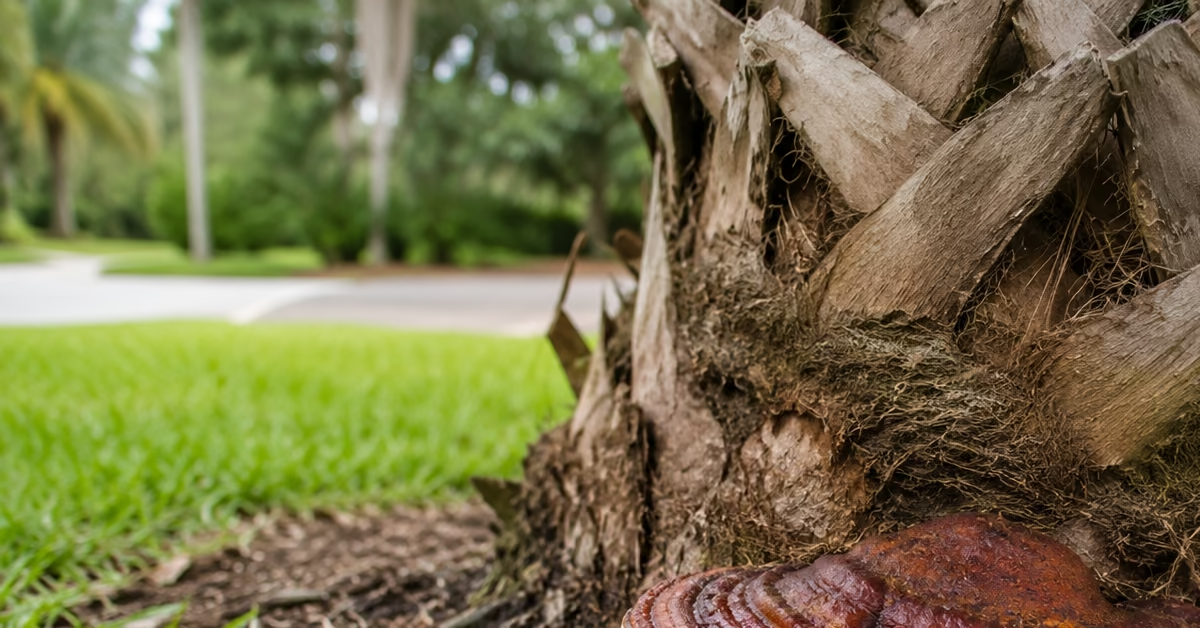
Quick Answer: Ganoderma root and butt rot is a fatal fungal disease that decays the base and lower trunk of palms and hardwoods from the inside out. The clearest sign is a reddish-brown, shelf-like conk at the base of the trunk, which appears only after the internal rot is already advanced. There is no cure and no effective treatment once a tree is infected. Because Ganoderma destroys the structural base, infected trees can fail suddenly and without warning, so a tree showing a basal conk near a home or walkway should be assessed and usually removed promptly.
In This Article
- What Ganoderma root rot is and what it attacks
- Why the conk appears only after it’s too late
- The warning signs in palms versus hardwoods
- Why infected trees are a sudden-failure hazard
- Why there is no cure, and what that means
- What to do if you find a conk on your tree
Key Takeaways
- Ganoderma rots the base and lower trunk, the part that holds the tree up.
- The reddish-brown basal conk is the diagnostic sign, but it appears late.
- It affects both palms (often Ganoderma zonatum) and many hardwoods.
- There is no cure and no effective fungicide treatment.
- Infected trees can fail suddenly because the structural base is gone.
- A conk near a target is grounds for prompt assessment and usually removal.
Ganoderma by the Numbers
- The fungus can remain hidden inside a tree for years before producing a visible conk.
- A tree may appear healthy while extensive decay develops in the lower trunk.
- The conk usually appears only after structural damage is already advanced.
- There is currently no proven treatment that cures active Ganoderma infections.
- The fungus can survive in old roots and stump material after tree removal.
Why This Matters in Northeast Florida
Northeast Florida’s warmth, humidity, and abundant palms and hardwoods create ideal conditions for Ganoderma. Jacksonville landscapes are full of the exact hosts this fungus targets: cabbage palms, ornamental palms, and a range of yard hardwoods. Because the disease attacks the base of the tree, it produces a particularly dangerous kind of failure: a palm or trunk that snaps at ground level with little visible warning overhead. In a region where palms line driveways, pools, and walkways, a Ganoderma-infected tree is a structural hazard sitting exactly where people gather. Recognizing the conk early is the difference between a planned removal and a sudden fall.
Which Trees Are Most Commonly Affected in Northeast Florida?
Ganoderma root rot affects both palms and hardwoods, but some species are encountered more frequently than others across Jacksonville and Northeast Florida landscapes.
Commonly affected palms include:
- Cabbage palms (Sabal palmetto)
- Queen palms
- Canary Island date palms
- Washingtonia palms
Commonly affected hardwoods include:
- Live oaks
- Laurel oaks
- Water oaks
- Other mature landscape hardwoods
While susceptibility varies by species and site conditions, any tree showing a Ganoderma conk at the base should be considered structurally compromised until evaluated by an arborist.
What Is Ganoderma Root Rot and What Does It Attack?
Ganoderma is a group of wood-decay fungi that attack the roots and lower trunk. In palms, the culprit is usually Ganoderma zonatum, a destructive wood-decay fungus that causes butt rot and hollows the lower trunk. In hardwoods, related Ganoderma species attack the root collar and lower stem. The fungus digests the structural wood from the inside, so the tree can look healthy up top while its foundation crumbles. The University of Florida IFAS Extension documents the disease extensively, particularly in palms, where it is a leading cause of decline. Our tree health care team sees it across Jacksonville landscapes.
Why Does the Conk Appear Only After It’s Too Late?
One of the biggest challenges with Ganoderma is that it remains hidden during much of the infection process.The fungus works internally for a long time before it produces a visible structure. The conk, a firm, shelf-like bracket that starts soft and white and matures to a glossy reddish-brown with a lighter edge, only forms once the decay is established. By the time you see it at the trunk base, significant structural wood is already gone. That’s why there’s no “early” treatment window in the usual sense: the first reliable visible sign is also a sign that the tree is already failing. The lesson is to inspect the base of palms and trees regularly, because the conk is easy to miss behind mulch, grass, or landscaping.
What Are the Warning Signs of Ganoderma?
In palms:
- A reddish-brown conk on the lower 3 to 4 feet of trunk
- Older fronds wilting, drooping, and dying back while the spear remains
- A general decline that fertilizer and water don’t fix
- A soft or hollow lower trunk
In hardwoods:
- A shelf conk at the root collar or base of the trunk
- Thinning canopy and dieback at the branch tips
- Mushrooming at or just above the soil line
- Looseness or movement at the base in wind
Across both, the basal conk is the signal that overrides everything else. If you see one near a structure, treat the tree as a hazard until a professional says otherwise. Our guide on checking trees for wind damage covers basal inspection as part of a full check.
How to Identify Ganoderma in 30 Seconds
Look for these warning signs:
✓ Reddish-brown shelf fungus at the base of the trunk
✓ White or cream-colored growing edge around the fungus
✓ Fungus emerging from the root flare or lower trunk
✓ Palm fronds or canopy showing unexplained decline
✓ A conk that returns after being removed
If you see a conk at the base of a tree or palm, assume significant internal decay may already be present and have it professionally assessed.
Why Are Infected Trees a Sudden-Failure Hazard?
Most tree failures give some warning: a lean, a crack, progressive dieback. Ganoderma is more treacherous because it destroys the base while the canopy may still look acceptable, then the trunk or palm snaps at ground level under its own weight or a moderate wind. There’s no slow tip-over from the roots; it’s a structural break at the rotted zone. That makes a Ganoderma-infected palm beside a pool deck or a hardwood over a driveway a real safety concern, and a strong candidate for prompt tree removal. If a tree is already failing or dropping limbs, our 24/7 emergency tree service responds right away.
Why Is There No Cure, and What Does That Mean for Your Yard?
There is currently no fungicide that cures or reliably controls active Ganoderma. You cannot spray or inject it away. Management is therefore about containment and safety: remove the infected tree before it fails, grind out the stump and as much root material as practical, and avoid replanting a susceptible species in the exact same spot, since the fungus can linger in soil and old roots. The USDA Forest Service and university research both emphasize sanitation as the only real lever. Proper stump grinding and thoughtful replanting choices are how you keep one infected palm from becoming a recurring problem in the same bed.
What We Commonly See in the Field
One of the most common calls we receive is “my palm looks fine but there’s a weird mushroom shelf at the bottom.” That instinct to ask is exactly right, and it often catches a Ganoderma case while we can still remove the tree on a calm schedule. The pattern competitors rarely explain: people mulch right up against the trunk and never see the conk forming underneath, or they knock the conk off thinking it’s cosmetic, which changes nothing about the rot inside. We also see homeowners replant a new palm in the precise spot the last one died, only to lose that one too, because the fungus was still in the soil. When we remove a Ganoderma tree, we talk through where and what to replant so the cycle stops.
What Homeowners Should Do Next
- Inspect the base of your palms and trees, pulling mulch and grass back from the trunk.
- Look for the reddish-brown shelf conk in the lower few feet of trunk.
- If you find one near a structure or walkway, treat the tree as a hazard and get it assessed.
- Plan removal promptly; do not wait for the tree to fall on its own schedule.
- After removal, grind the stump and choose a replanting species and spot carefully.
Common Questions About Ganoderma Root Rot
Can Ganoderma root rot be treated or cured?
No. There is no fungicide that cures or reliably controls active Ganoderma. Once a tree is infected, management focuses on safe removal and sanitation, not treatment.
Is the conk dangerous to people or pets?
The conk itself is not the hazard; the structural failure it signals is. A tree with a basal conk can break at ground level suddenly, so the risk is the falling tree, not the fungus touching you.
What does a Ganoderma conk look like?
It’s a firm, shelf-like bracket that starts soft and white, then matures to a glossy reddish-brown top with a pale outer rim, usually on the lower few feet of the trunk. It’s distinctive once you’ve seen one.
Can I replant a palm where one died of Ganoderma?
Not in the exact same spot with a susceptible species, since the fungus can persist in soil and old roots. Grind the stump, remove root debris where practical, and ask an arborist about safer replanting choices.
Does removing the conk help the tree?
No. The conk is just the visible fruiting body. Removing it does nothing to the decay already inside the trunk. The internal rot continues regardless.
How quickly should an infected tree be removed?
Promptly, especially near homes, pools, or walkways, because Ganoderma trees can fail suddenly. An arborist can assess the remaining sound wood and advise on urgency.
See a Conk? Don’t Wait for the Fall
Ganoderma doesn’t give the usual warnings, which is exactly why the reddish-brown shelf at the base of a palm or tree deserves immediate attention. By the time it shows, the tree’s foundation is already compromised, and the safest outcome is a removal you schedule rather than one the next storm schedules for you.
Spotted a conk on a palm or tree in your yard? Contact Bushor’s Tree Surgeons or request a free estimate. Our ISA-certified arborists diagnose, remove, and advise on replanting across Jacksonville, the Beaches, and Northeast Florida.